Key Takeaways
- Iran rejected reports of an agreement with the US to reopen the Strait of Hormuz.
- The strait will remain closed to vessels that do not coordinate with the IRGC, according to Tehran.
- Any disruption could affect global energy markets and fuel prices.
Iran has firmly denied reports suggesting it reached an agreement with the United States to reopen the Strait of Hormuz. According to Iran’s Fars News Agency, the key global shipping route will remain restricted unless vessels coordinate with the Islamic Revolutionary Guard Corps (IRGC).
The denial came in response to US President Donald Trump's statement that 'perimeters of a deal' had been reached, which had raised hopes for a possible breakthrough between Washington and Tehran.
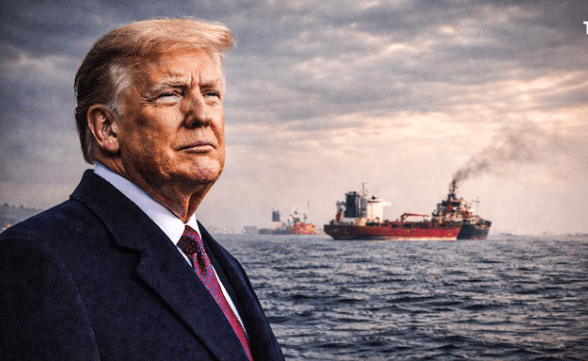
The Strait of Hormuz is one of the world’s most critical energy routes, with approximately 20% of global oil shipments passing through it. Any prolonged disruption could significantly impact energy markets, shipping costs, and global fuel prices.
Markets are closely monitoring developments as US stock futures reopen, with concerns about potential instability in the region.
Tehran's stance is that the strait will remain closed to vessels that do not coordinate with the IRGC. This move underscores Iran’s continued assertiveness in asserting control over the strategic waterway.
The denial by Tehran comes at a time when tensions between the US and Iran have been high, with both sides engaging in diplomatic maneuvering and military posturing.
While there is no official agreement to reopen the strait, the possibility of such an action has raised concerns among global energy traders and shipping companies.
The statement from Fars News Agency emphasizes that any vessel wishing to pass through the Strait of Hormuz must coordinate with the IRGC, highlighting Iran's continued control over this vital maritime passage.