Key Takeaways
- The Iran-US ceasefire broke down after just one month.
- New hostilities have spread to the Red Sea and Caspian Sea.
- Global economic institutions warn of broader impacts on growth.
When a memorandum of understanding (MoU) aimed at ending the conflict between Iran and the US was announced on June 14, hopes for peace in the region were high. The Strait of Hormuz, which had been largely closed to shipping since late February, showed signs of reopening, leading oil prices to retreat from crisis levels.
However, barely a month later, fresh hostilities erupted between the two nations. Despite efforts by Pakistan and other mediators to return to the MoU—a 14-point framework that halted hostilities and reopened Hormuz—global tensions have continued to rise.
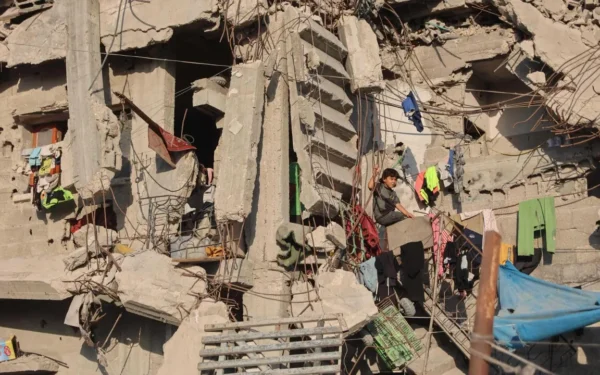
The conflict has now expanded beyond its original boundaries, with new actors joining in. Yemen’s Iran-backed Houthis are targeting Saudi ships in the Red Sea, while Ukraine has hit vessels carrying Iranian-linked military cargo in the Caspian Sea. This expansion has raised concerns about a wider regional conflict.
In response to these developments, Riyadh has formed a Multinational Maritime Defence Alliance, a 14-nation coalition led by Saudi Arabia alongside Turkey, Pakistan, and Egypt. The alliance aims to safeguard critical waterways but has added another layer of complexity to the situation.
Global economic institutions are now sounding alarm bells. The International Monetary Fund (IMF) has cut its global growth forecast due to geopolitical uncertainty, tighter financial conditions, and inflation risks. Similarly, the World Bank predicts growth below pre-pandemic norms, while the Organisation for Economic Cooperation and Development flags softness in both advanced and emerging economies.
The International Energy Agency (IEA) warns that oil-market volatility linked to the conflict is complicating energy security and investment planning worldwide. Any disruption to Gulf oil and gas supply can push crude prices up, affecting transport costs, manufacturing, and electricity bills globally.
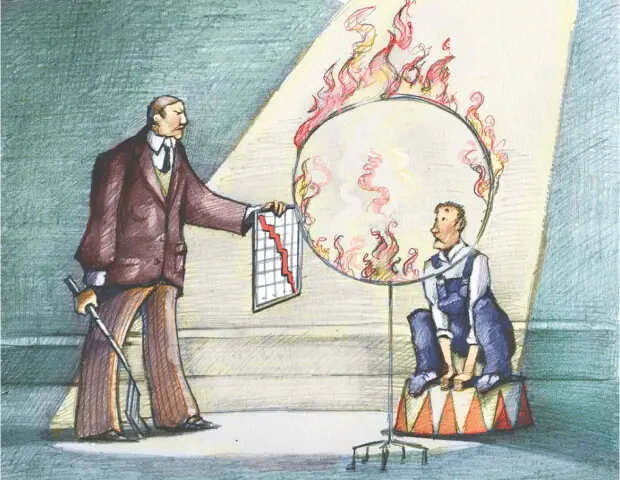
These institutions are no longer treating the Iran war as a regional issue but rather as a significant drag on the global economy. The transmission channel for these impacts is energy, which affects a large share of world trade. A fifth or more of all seaborne oil passes through the Strait of Hormuz alone, with Bab el-Mandeb carrying further slices of global shipping.
The expansion and intensification of the conflict have made it clear that the economic repercussions are far-reaching. The cost of energy is likely to rise, impacting household budgets and government finances in Asian economies that rely heavily on Gulf oil. The situation remains fluid, with no immediate resolution in sight.