Key Takeaways
- iFixit teardown of Apple’s iPhone Duo reveals complicated hinge mechanism.
- Easier repair compared to other foldable smartphones, scoring 5 out of 10.
- Possible causes of screen damage include misaligned components and flexible cable interference.
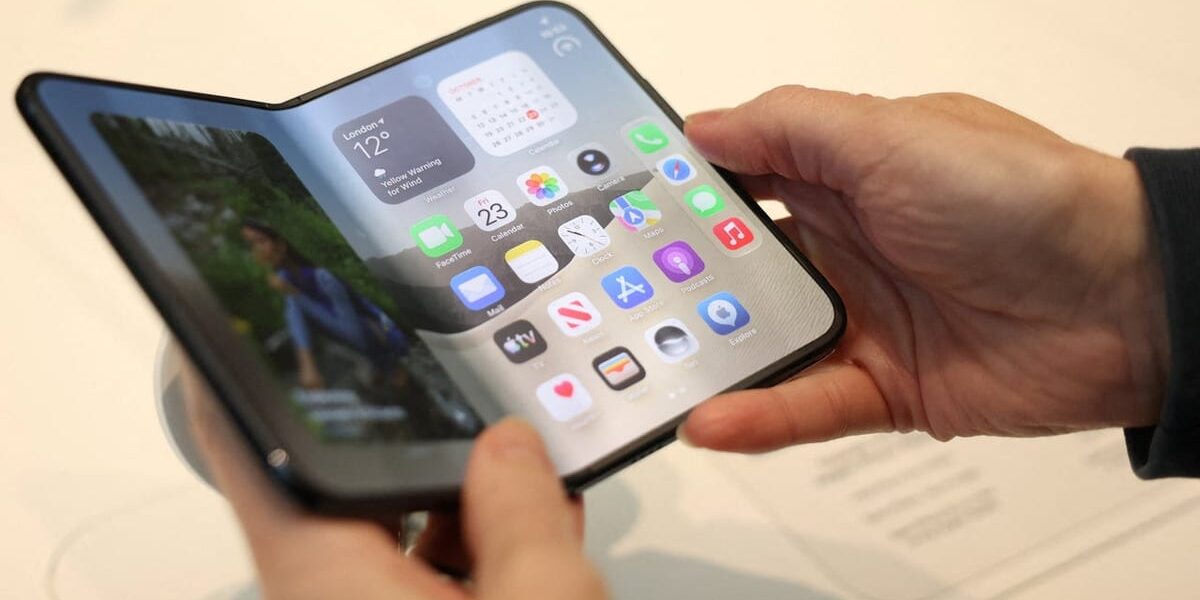
Apple’s first foldable smartphone, the iPhone Duo, has undergone a detailed teardown by repair specialists at iFixit, revealing a complex hinge mechanism that could be linked to recent reports of display damage.
The iPhone Duo scores 5 out of 10 on repairability, making it easier to fix than competing foldable smartphones like Samsung’s Galaxy Z Fold8, which scores 4 out of 10, and the older Galaxy Z Fold7, which scores 3 out of 10.
Several internal components of the iPhone Duo can be removed without dismantling most of the device. For example, the external display can be detached using a suction clamp and a prying tool, and the two batteries can be removed using Apple’s electrically assisted adhesive-release system.
The teardown also provides insights into how Apple hides the display crease. Under a microscope, the inner screen’s matte nano-texture protective layer is examined, revealing thousands of microscopic bumps that scatter reflected light, making the crease harder to see.
Apple also uses a modified arrangement of RGB subpixels inside the OLED panel, which sit at different angles to further reduce the visibility of the fold. Together, these technologies help conceal the crease without removing the physical fold in the display.
Despite its relatively good repairability score, the iPhone Duo’s hinge mechanism has raised concerns following complaints from early buyers. Several owners have reported that the hinge becomes unusually stiff while unfolding the device, leading to permanent damage to the inner screen.
When users apply additional force, they reportedly hear a popping or cracking sound, followed by a vertical line through the center and a horizontal line extending toward the right side of the screen. The exact cause of these issues remains unknown.
iFixit’s teardown reveals a complicated hinge design that could help explain the reported failures. One possible explanation is that certain components inside the hinge are not moving downward correctly, causing the mechanism to become stuck. Another potential cause is the accordion-like flexible cable running through the hinge, which could interfere with the folding mechanism.
However, neither explanation has been confirmed, and the exact cause of the reported display failures remains unknown.