Key Takeaways
- Indian rupee drops to its lowest level since late-July.
- Brent oil prices reach near $100 a barrel, pressuring the currency.
- Tensions rise due to attacks on Saudi energy facilities and Iran’s threats.
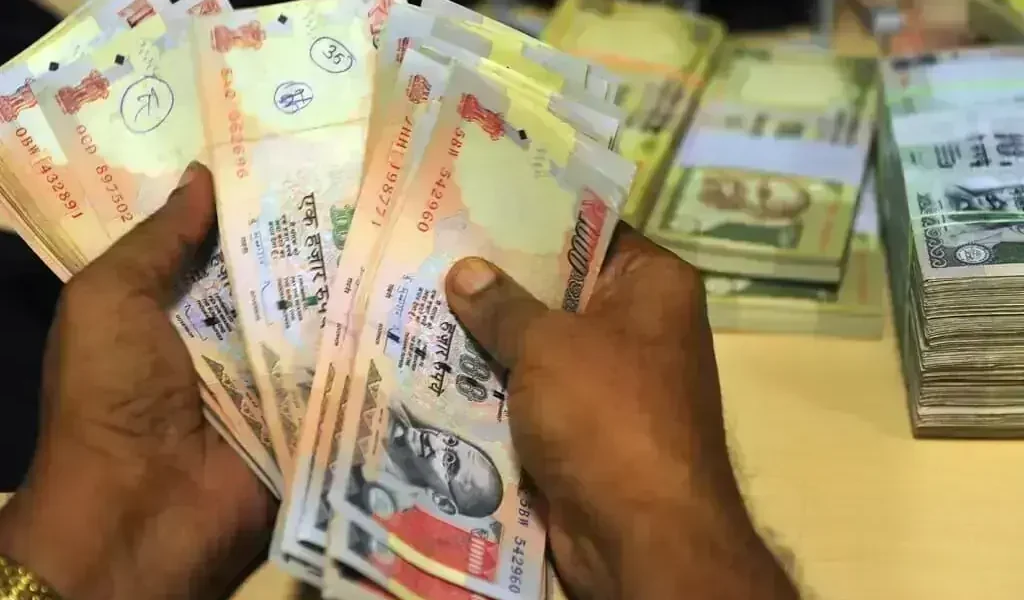
The Indian rupee experienced its steepest decline since late-July on Tuesday, dropping to 94.8175 per dollar by the end of the session, a 0.35% decrease from its previous close. This sharp fall was driven by a third consecutive day of rising oil prices, with Brent crude nearing $100 a barrel.
The situation was exacerbated by recent attacks by Yemen’s Houthis on some energy facilities in Saudi Arabia, which heightened concerns over energy supply disruptions. Iran’s threats of economic warfare against the United States further added to the tension, contributing to the rupee’s decline.
Despite state-run banks selling dollars, likely on behalf of the Reserve Bank of India, the rupee’s fall was not cushioned to a specific level. The central bank’s interventions had previously helped the rupee reach a more than two-month peak, but this rally has now faced resistance due to the renewed rise in oil prices and heightened hedging demand from local importers.
Other emerging market currencies also faced pressure, with the Thai baht and South African rand slipping about 0.4%. Asian stocks, including those in Mumbai, also experienced a decline, with the MSCI regional stocks gauge falling about 1%. Equities in Mumbai declined by 0.6%.
Analysts predict that oil prices will remain a key factor for foreign exchange markets in the near term, alongside expectations for a U.S. rate hike. A key U.S. consumer inflation reading is due on Friday, which could influence market dynamics.
ING, a financial institution, stated, “We continue to think the bullish case for the dollar will prove stronger in the near term, although Friday’s US CPI release remains a clear risk event.” Markets are currently pricing in a 60% chance of a rate hike by the Federal Reserve next week.