Key Takeaways
- The government has directed Ogra to ensure regular lifting and supply of LPG to prevent hoarding.
- Reports indicate LPG is being sold at 50% higher rates in remote areas.
- Measures aim to ensure availability of LPG at notified prices, especially in hilly and off-grid areas.
The government has taken steps to address the issue of liquefied petroleum gas (LPG) hoarding, which has led to an artificial shortage and price hikes, particularly in remote areas ahead of winter. In a letter to the Oil and Gas Regulatory Authority (Ogra), the Petroleum Division highlighted that imported LPG volumes are not being regularly lifted from terminals, raising concerns about potential hoarding.
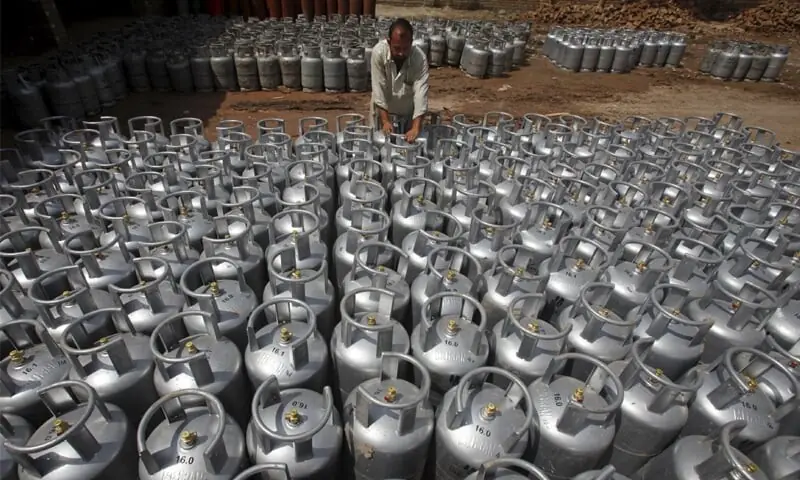
According to the Petroleum Division, LPG is being sold at almost 50% higher rates (Rs5,000 per 11.8kg domestic cylinder) than the Rs3,296 notified by Ogra, causing significant price increases, especially in hilly, remote, and off-grid areas where consumers rely heavily on LPG.
In response, the government has directed Ogra to take swift corrective measures to ensure the availability of LPG at notified prices, particularly in remote areas. The Petroleum Division also asked Ogra to initiate necessary enforcement action to prevent hoarding and ensure regular lifting and supply of LPG to demand centres.
The government assured the market that it is committed to improving the market’s supply position through a transparent, competitive process for disposing of locally produced LPG. This measure is intended to promote fair competition and enhance transparency in the allocation of locally produced LPG, ensuring equitable opportunities for all market participants.
While the process for disposing of locally produced LPG through a competitive process remains hampered by litigation, the government is pursuing all available legal options in accordance with the law. The government is committed to ensuring a fair and transparent business environment and protecting the interests of consumers.
The Petroleum Division stated that the proposed mechanism aims to provide equitable opportunities to all market participants rather than allowing the benefits of locally produced LPG to remain concentrated among a limited number of players. The government is also working to improve the market’s supply position in line with the LPG Policy 2016.
The government’s actions are part of a broader effort to address market concentration and ensure a level playing field for the industry. The measures are expected to benefit consumers in remote and hilly areas, where LPG is crucial for meeting energy needs.