Key Takeaways
- Rs75 billion fuel subsidy for 2/3-wheelers and small cars announced for three months.
- Critics argue the relief is insufficient and the method inefficient, potentially leading to high leakages.
- Better alternatives like direct cash transfers suggested to provide more effective relief.
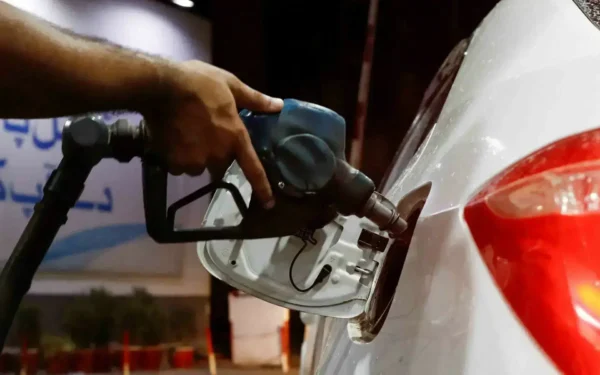
The government has announced a Rs75 billion subsidy on fuel consumption for 2/3-wheelers and small-car users, effective for three months. The scheme aims to provide some relief to bike and car users, but critics argue that it may end up being more of a political stunt.
Petroleum prices have risen by 44-50 percent over the last twelve months, making the Rs2,000 per month for 20 litres of petrol for 2/3-wheelers and Rs3,000 per month for 30 litres of petrol for small cars a relatively small relief, according to the Business Recorder.
The mechanism of the subsidy is criticized for potential inefficiencies and significant flaws. Critics suggest that a better approach would be to provide direct cash transfers to those who need it, as the government has done in the past.
The poorest, roughly one-third of the population, cannot even afford a bike, and there is no relief for them, according to the Business Recorder. Higher petroleum prices have both direct and indirect impacts on inflation, with the poor being hit the hardest.
The Business Recorder points out that the subsidy may not reach many 2/3-wheeler owners due to the limited benefit or shortcomings in the mechanism. Additionally, the government could have reduced the petroleum levy (PL) by Rs16/litre for three months across the board, which could have provided broader inflation relief.
The government's current approach is seen as inefficient, with the potential for high leakages. The Business Recorder suggests that a better measure would be to use the Rs75 billion to reduce the PL and provide broader inflation relief.
Given the better fiscal position, the government could have done more. Non-tax revenues are significantly above budget, with the SBP transferring Rs500 billion more than the budgeted amount. This gives some room for the PL to be lower without disturbing the bottom line.
FBR tax performance is meeting targets, providing further room for the PL to be reduced. The government should use these cushions to lower the PL while international petroleum prices remain high, according to the Business Recorder.
Critics argue that the government's approach is politically motivated and may face more criticism than gain political dividends. The relief is seen as little more than a gesture, given the significant increase in petroleum prices.
Given the hike in prices, the relief is, at the end of the day, little more than a gesture.
Business Recorder, News Source
A better way could have been to provide direct cash transfers to those deserving, as the government has done multiple times before.
Business Recorder, News Source