Key Takeaways
- Petrol price reduced by Rs0.43 per litre, while HSD increased by Rs3.47 per litre.
- New prices will be effective from September 18, 2026.
- Adjustments follow international market trends and government relief measures.
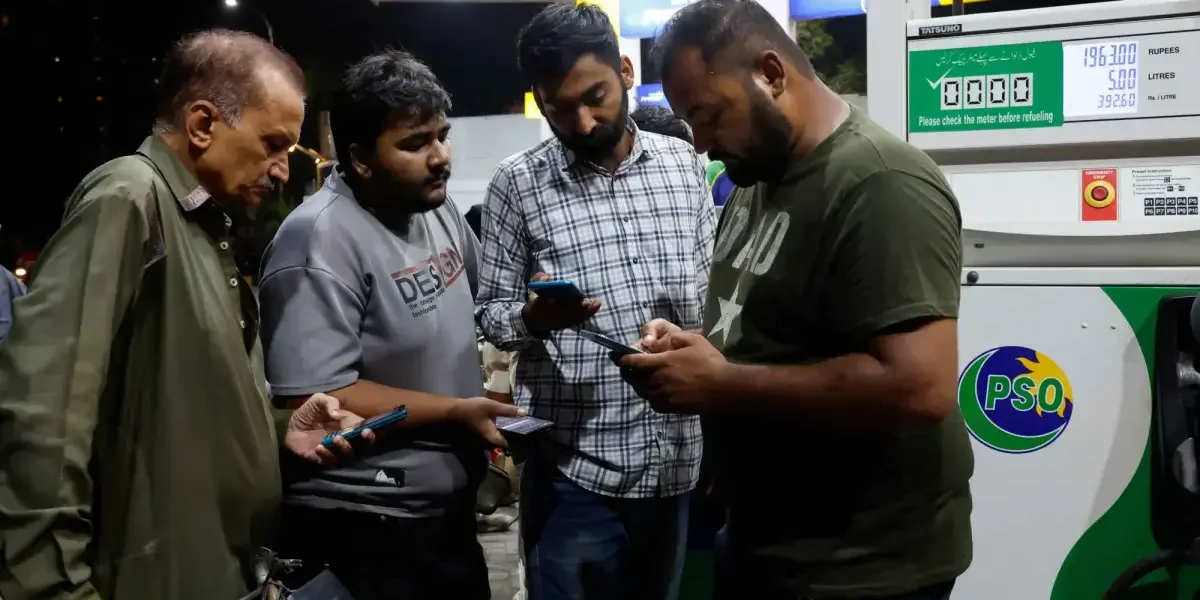
The government has adjusted the prices of petrol and high-speed diesel (HSD) in Pakistan, effective from September 18, 2026. Petrol will now retail at Rs390.79 per litre, a reduction of Rs0.43 from its previous price. In contrast, HSD will cost Rs424.92 per litre, an increase of Rs3.47 from its previous rate.
According to the Petroleum Division, these changes are in line with international market rates, premiums, and other relevant factors. The government continues to levy Rs114 per litre in taxes and duties on petrol and Rs100 per litre on diesel, unchanged from previous rates.
The price of HSD has seen fluctuations, having peaked at Rs520.35 on April 3, 2026, and started rising from Rs281 per litre after the US-Iran conflict began on February 28, 2026. Petrol prices had also risen to Rs458.41 on April 3, 2026, from an initial rate of Rs266 in the first week of March, 2026.
In response to rising fuel prices, the government has reintroduced a series of austerity measures. These include requiring markets to close by 9pm and cutting fuel allocations for official vehicles by 50 per cent for three months. Additionally, a relief scheme was announced on September 13, 2026, by Prime Minister Shehbaz Sharif, providing Rs100 per litre monthly quota of 20 litres for motorcycle and auto owners, and 30 litres for vehicles up to 800cc.
On July 17, 2026, Petroleum Minister Ali Pervaiz Malik announced that fuel prices would now be fixed on a daily basis due to fluctuations in international market prices, following renewed hostilities between Iran and the US. Prior to this, the government had been announcing weekly revisions to fuel prices since early March, 2026, amid concerns of possible oil supply disruptions.
The federal government has also announced targeted relief measures to provide subsidised fuel. The petroleum minister stated that the cabinet and the prime minister had decided to give the Oil and Gas Regulatory Authority (OGRA) the responsibility of deciding fuel prices on a daily basis based on international market trends.
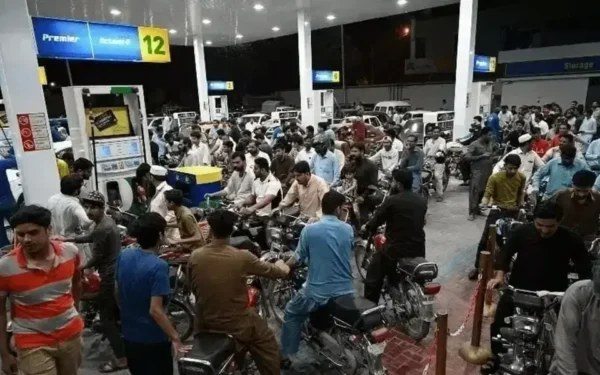
Petrol is mainly used in private transport, small vehicles, rickshaws, and two-wheelers, affecting the middle and lower-middle classes. Similarly, changes in diesel prices impact the public at large, as it is mainly used in the heavy transport sector, power plants, and large generators.
The government's decision to adjust fuel prices reflects the ongoing challenges posed by global market dynamics and the need to balance economic stability with the welfare of the general public.