Key Takeaways
- Petrol prices reduced by Rs1.65 per litre, effective from September 19 to September 21, 2026.
- High-speed diesel (HSD) prices lowered by Rs0.88 per litre, effective from September 19 to September 21, 2026.
- Prices adjusted based on global market rates and other relevant factors.
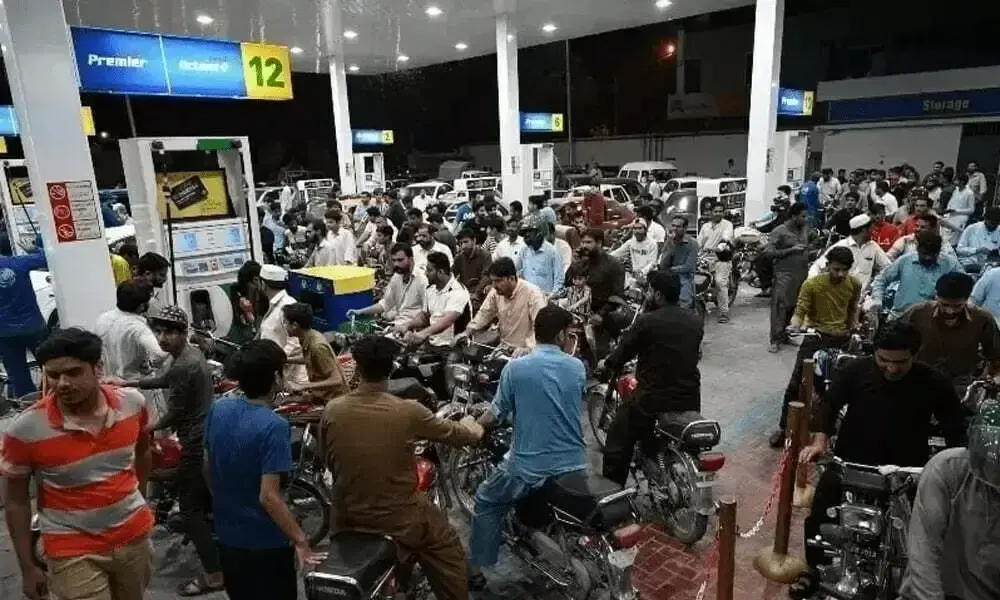
The government of Pakistan has announced a reduction in the ex-depot price of petrol by Rs1.65 per litre, effective from September 19 to September 21, 2026. The new price stands at Rs389.14 per litre. Simultaneously, the price of high-speed diesel (HSD) was reduced by Rs0.88 per litre to Rs424.04 per litre. These changes were made in accordance with the Petroleum Pricing Mechanism issued by the federal government and were announced in a press release by the Ministry of Energy (Petroleum Division).
According to the Oil and Gas Regulatory Authority (OGRA), the revisions were necessitated by global events, including changes in Platts rates, premiums, and other incidentals. The previous review saw the government raising the price of petrol by Rs0.43 per litre and reducing the price of motor spirit (petrol) by Rs3.47 per litre. This latest adjustment is part of a series of measures aimed at managing the impact of rising global fuel prices.
The government continues to levy Rs114 per litre in taxes and duties on petrol and Rs100 per litre on diesel. The new prices will remain in effect until September 21, 2026. The reduction in fuel prices is expected to provide some relief to consumers, although the overall impact will depend on the duration of the adjustment period.
In the international market, oil prices have shown some fluctuation. Brent crude futures fell by 88 cents, or 0.84%, to $103.94 a barrel by 1225 GMT on September 15, 2026. U.S. West Texas Intermediate futures were little changed at $102.15. These movements reflect the ongoing balance between supply concerns and market sentiment regarding geopolitical events in the Middle East.
The government has introduced a series of austerity measures in response to rising fuel prices, including requiring markets to close by 9pm and cutting fuel allocations for official vehicles by 50 per cent for three months. These measures are part of a broader strategy to manage the economic impact of global price hikes.
The adjustment in fuel prices is a response to the fluctuating global market and is expected to provide some relief to consumers. However, the government continues to monitor the situation closely and may make further adjustments as necessary.