Key Takeaways
- Finland has granted an operating licence for the world’s first permanent nuclear waste repository.
- The site, named Onkalo, will store spent nuclear fuel from Finland’s five reactors.
- Construction began 22 years ago, and the facility is expected to start operations soon.
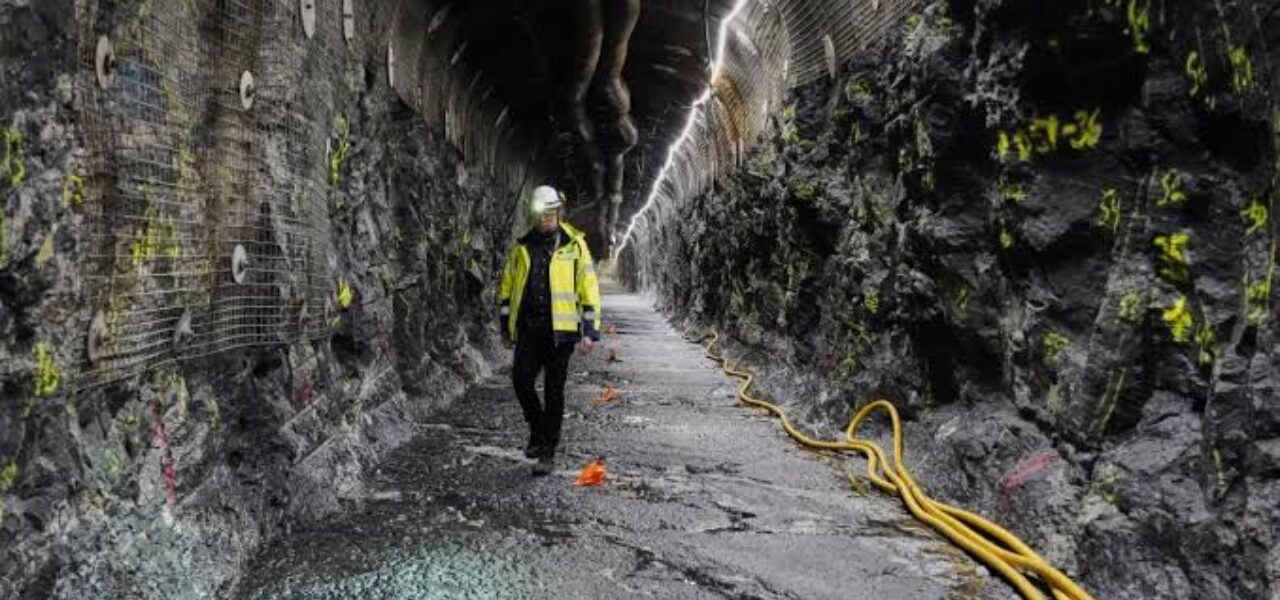
Finland has taken a significant step in the global effort to manage nuclear waste by opening the world’s first permanent repository for radioactive spent nuclear fuel. The site, named Onkalo, has been in the works for two decades and is now set to begin operations.
Posiva, the waste management company behind the project, announced the granting of an operating licence on Thursday. The repository, located in Eurajoki, southwestern Finland, is situated in 1.9 billion-year-old stable bedrock, ensuring long-term safety and stability.
The Onkalo site is designed to store 6,500 tonnes of uranium, encapsulated in copper canisters resistant to corrosion. These canisters will be lowered into holes drilled in tunnels within the bedrock, which will be filled with bentonite clay and sealed with a steel-reinforced concrete plug.
Ilkka Poikolainen, CEO of Posiva, expressed optimism about the project: 'This is a great and historic day for both Posiva and Finland.' However, the exact date for the start of operations has yet to be decided, as the commissioning stage, including necessary tests and inspections, is still ongoing.
The Finnish Radiation and Nuclear Safety Authority (STUK) will verify and approve the final disposal process, ensuring the safety and compliance of the facility. The cost of the Onkalo site has been estimated at $1.16 billion, highlighting the significant investment required for such projects.
While Finland is the first to open its permanent underground storage facility, other countries are also making progress. Sweden and France are currently building similar repositories, but Finland is expected to be the first to operationalise its site.
The Onkalo project represents a crucial step in addressing the long-term storage challenges of nuclear waste. The facility is designed to contain spent fuel for tens of thousands of years, with its radioactivity levels expected to decrease to levels similar to the original uranium ore after about 100,000 years.
This development marks a significant milestone in the global nuclear industry, providing a model for sustainable and safe nuclear waste management. As the world continues to grapple with the challenges of nuclear waste, Finland’s Onkalo site offers a promising solution.
This is a great and historic day for both Posiva and Finland.
Ilkka Poikolainen, CEO of Posiva