Key Takeaways
- Finance Minister Muhammad Aurangzeb expressed concern over Pakistan's population growth.
- He highlighted the challenge it poses to the country's economic stability.
- The minister emphasized the need for coordinated reforms to support sustainable growth.
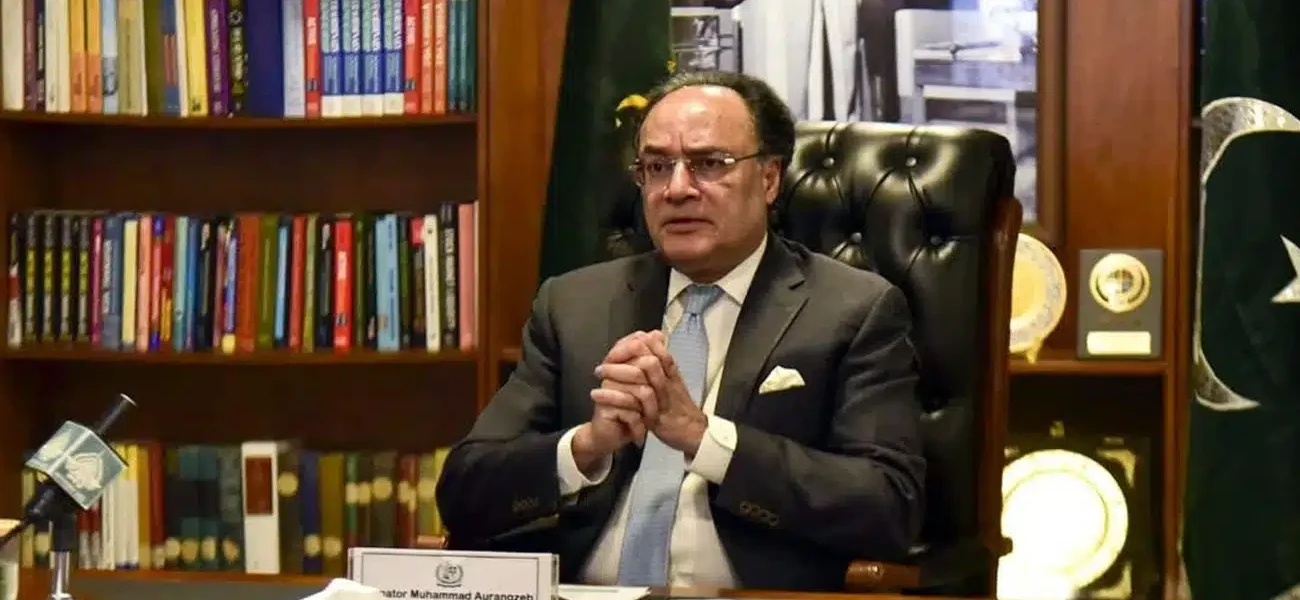
Finance Minister Muhammad Aurangzeb has expressed dissatisfaction with Pakistan's rapid population growth, describing it as a significant challenge for the country's economic development. During a luncheon with a Dutch business delegation in Islamabad, the minister underscored the importance of addressing this issue to ensure sustainable economic growth.
The luncheon, which was attended by the State Bank of Pakistan Governor, the Adviser to the Prime Minister on Privatization, the Secretary of Commerce, and senior government officials, also featured discussions on Pakistan's business environment and opportunities for stronger commercial ties between the two countries.
Aurangzeb highlighted that Pakistan's improving macroeconomic outlook offers an opportunity to turn economic stabilization into productive investment, higher exports, and private-sector-led growth. However, he stressed that maintaining the gains in foreign exchange reserves and strengthening the country's ability to withstand external shocks remain crucial.
The finance minister outlined the government's economic priorities, including fiscal discipline, structural reforms, broader access to financing, digitalization, and a shift from aid dependence towards trade and investment. He also emphasized the role of public-private partnerships in mobilizing capital and turning investment interest into commercially viable projects.
In his remarks, the minister identified rapid population growth and climate change as major long-term challenges for Pakistan. He stressed the need for coordinated reforms to support sustainable economic growth, noting that population growth could hinder the country's progress if not managed effectively.
The Dutch delegation, led by the Founders Carbon Network, shared its views on Pakistan's business environment and opportunities for stronger commercial ties. The discussions focused on areas of mutual interest and potential collaboration between the two countries.
Aurangzeb's comments reflect the government's commitment to addressing population growth as part of its broader economic strategy. The minister's emphasis on the need for coordinated reforms underscores the importance of tackling this issue to ensure long-term economic stability and growth.