Key Takeaways
- Economists urge Chancellor John Healey to pressure the Bank of England.
- Bond-selling programme has cost the exchequer billions of pounds.
- Bank of England’s Monetary Policy Committee meets this week to decide on interest rates and bond sales.
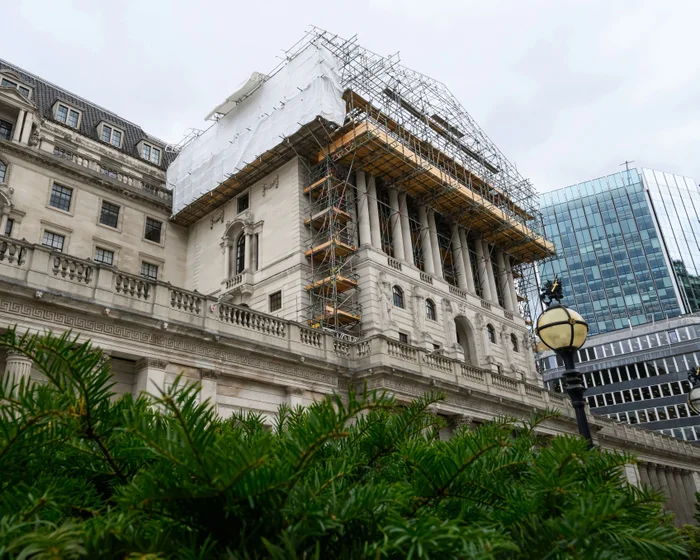
Economists have called on Chancellor John Healey to intervene with the Bank of England, urging the central bank to slow down or halt its bond-selling programme. This move is aimed at reducing the UK’s borrowing costs, which have already incurred significant financial losses for the government.
The Bank of England’s Monetary Policy Committee (MPC) is scheduled to convene this week, where it will decide on the level of interest rates and whether to continue or reduce the sale of government bonds, known as gilts, which were purchased as part of the rescue operation following the 2008 banking crisis.
The bond-selling programme, initiated as a part of the economic recovery measures, has already cost the exchequer billions of pounds. Critics argue that slowing or halting this programme could provide immediate relief to the government’s finances.
Chancellor John Healey, in his role as the head of the Treasury, is expected to play a crucial role in influencing the MPC’s decisions. Economists believe that his intervention could significantly impact the bank’s policy direction.
The Bank of England’s decision to sell bonds is part of its strategy to manage the national debt and control inflation. However, the current programme has been criticized for its high costs, with some experts suggesting that it could be reconsidered in light of the economic challenges faced by the UK.
The MPC’s meeting this week will be closely watched by financial analysts and policymakers, who are keen to see how the bank will balance its objectives of maintaining economic stability and reducing government borrowing costs.
The bond-selling programme, which was initiated in the aftermath of the 2008 financial crisis, has been a contentious issue for the government. Critics argue that it has not only increased the national debt but also burdened the exchequer with substantial financial losses.
Economists argue that slowing or halting the bond-selling programme could provide a more sustainable solution to the government’s financial challenges. They believe that this approach could help in reducing the overall cost of borrowing and freeing up resources for other critical areas of the economy.