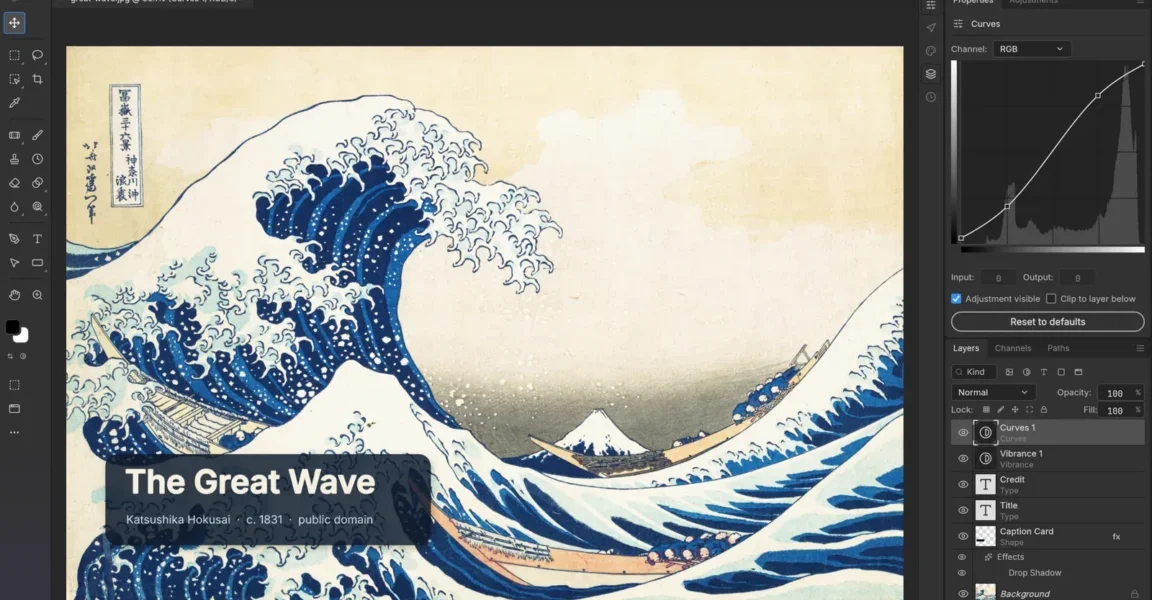
Key Takeaways
- Developer Brandon Thomas uses AI to create open source software clones of Adobe's Creative Suite.
- Artcraft, initially a tool for editing AI-generated images, now offers seven apps.
- Thomas promises the software will soon match Adobe's functionality.
Developer Brandon Thomas has launched a suite of open source software applications designed to replicate the functionality of Adobe's Creative Suite, aiming to challenge the market dominance of Adobe's proprietary tools.
Artcraft, which began as a 'controllable AI for artists' that allows for precise post-generation editing of AI-crafted images and videos, has now expanded to include seven applications: Photoshop, Illustrator, Premiere, Lightroom, After Effects, InDesign, and Acrobat Pro.
Thomas utilized Anthropic's Claude Opus 5.5 to create 'clean-room replacements' for Adobe's software in Rust, with WebAssembly versions available for browser use.
While the current state of the software is described as a 'super early alpha,' Thomas has made bold claims, stating that the software will soon be as functional as Adobe's offerings.
Critics on Hacker News and other platforms have pointed out the current limitations of the software, including issues with performance and user interface consistency.
The move by Thomas and Artcraft represents a significant challenge to Adobe's market position, particularly in the realm of creative professionals who rely on these tools for their work.
Adobe's Creative Suite is widely used across various industries, from graphic design to video editing, and its open source competitors are seen as a potential threat to Adobe's business model.
Thomas's approach of using AI to reverse-engineer the user interface and tools of Adobe's software is a novel strategy in the competitive landscape of creative software development.