Key Takeaways
- UEP Wind Power (Private) Limited seeks Rs. 5.824 billion from CPPA-G to meet financial obligations.
- The company projects a cash shortfall, with the largest payment needed for a working-capital loan.
- CPPA-G is under pressure to support CPEC projects amid mounting receivables and financial constraints.
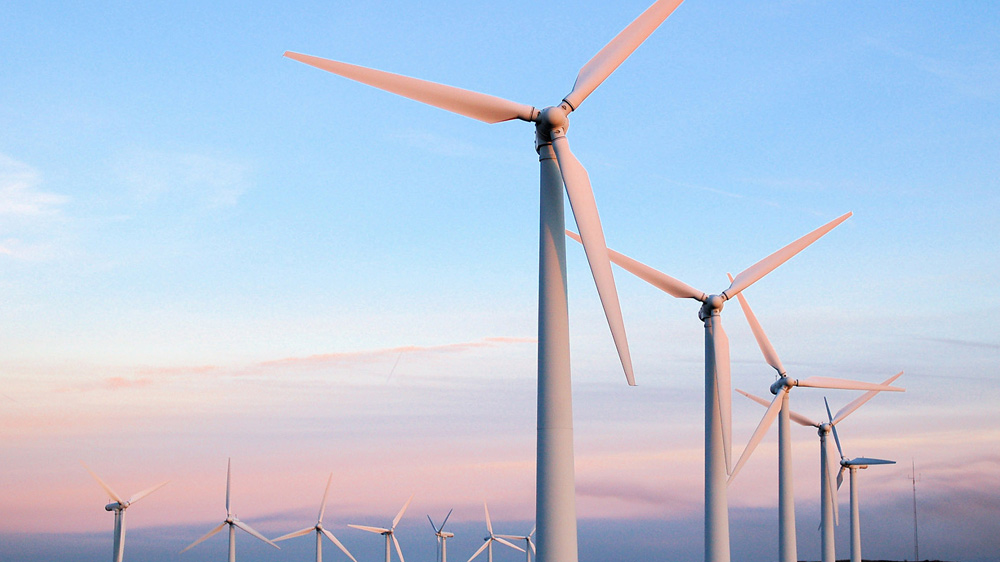
UEP Wind Power (Private) Limited, a 99-megawatt wind power project under the China-Pakistan Economic Corridor (CPEC), has formally requested Rs. 5.824 billion from the Central Power Purchasing Agency-Guarantee (CPPA-G) to meet its financial obligations by December 31, 2026.
In a letter dated October 19, 2026, the company addressed its financial predicament to CPPA-G’s chief executive officer, warning that a cash shortage could jeopardize the project’s operations.
The company outlined its projected cash flow, which is insufficient to cover debt servicing, operations and maintenance (O&M) charges, sales tax, working-capital loan repayments, insurance, and other operating expenses through December.
The largest payment required is Rs. 2.651 billion for the repayment of a working-capital loan, followed by Rs. 1.834 billion in debt servicing payable to China Development Bank (CDB).
Other projected expenses include Rs. 841.38 million for the O&M operator, Rs. 323.59 million in sales tax, Rs. 125.94 million in operating and administrative expenses, and Rs. 48.47 million for project insurance.
UEP Wind Power stated that these payments are necessary to ensure the project’s smooth and uninterrupted operation and asked CPPA-G to continue supporting the project to prevent a potential default.
The company requires approximately Rs. 628.14 million in October, Rs. 179.61 million in November, and Rs. 5.016 billion in December.
CPPA-G is under financial pressure, owing around Rs. 500 billion to Chinese power plants established under CPEC, amid inadequate recoveries by power distribution companies (DISCOs).
Sources indicate that DISCO recoveries remain below the level required under National Electric Power Regulatory Authority (NEPRA) directives, which mandate 100 percent recovery of billed amounts from consumers.
Mounting receivables have increased liquidity pressures on CPEC power projects, making it harder for them to meet debt-servicing obligations and other financial commitments.