Key Takeaways
- More than half of US children face uncertainty over access to this year’s COVID-19 shots.
- The Centers for Disease Control and Prevention has delayed vaccine distribution through the VFC program.
- At least 11 states and one US territory are part of a universal vaccine purchase program.
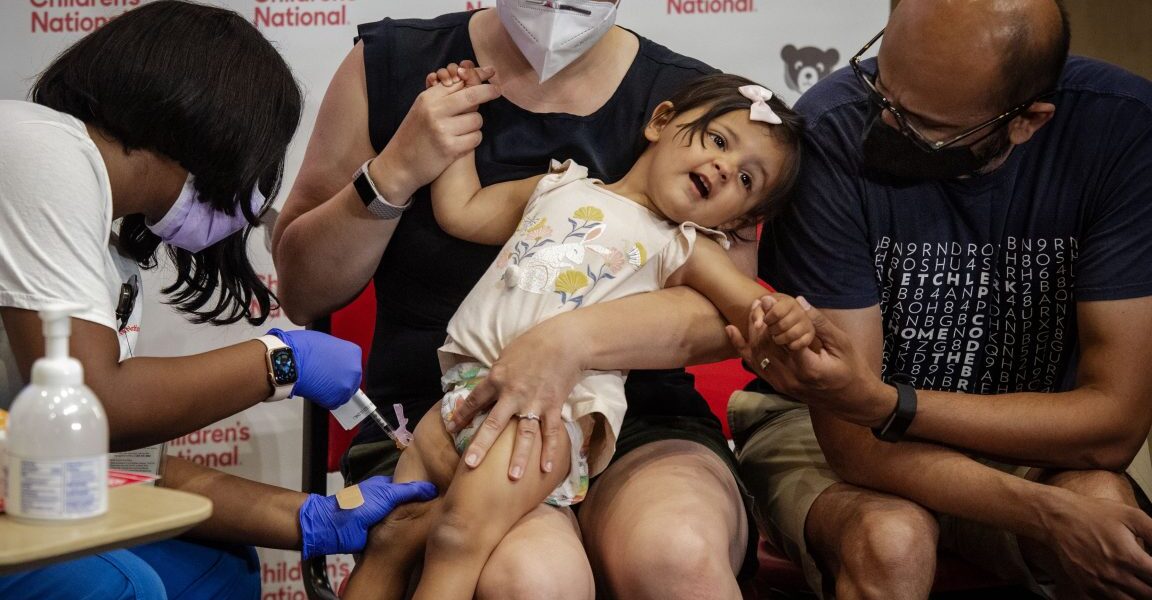
More than half of US children are currently uncertain about their access to this year’s COVID-19 vaccines, as the Centers for Disease Control and Prevention (CDC) has unexpectedly delayed the distribution of the shots through the federal Vaccine for Children (VFC) program. This program typically allows states to order the newly available vaccines for children who are uninsured, underinsured, Medicaid-eligible, or Indigenous people in the US.
The VFC program is crucial for ensuring that children from vulnerable backgrounds can receive the necessary vaccinations. According to the latest reports, approximately 52 percent of all US children are eligible for vaccines through this program. However, the delay has left many parents and health officials concerned about the availability of the vaccines.
In a related development, at least 11 states and one US territory are part of a universal vaccine purchase program, which allows them to buy all vaccines for children—regardless of their ability to pay or insurance status—through contracts otherwise reserved for the VFC. These states include Alaska, Connecticut, Hawaii, Maine, Massachusetts, New Hampshire, New Mexico, Rhode Island, Vermont, Washington, and Wyoming, along with American Samoa.
The delay in vaccine distribution has raised questions about the federal government’s approach to ensuring equitable access to the vaccines. Health experts and advocates are urging the CDC to reconsider its decision, citing the ongoing respiratory virus season and the importance of protecting children’s health.
The situation has left many parents in a state of uncertainty, with some expressing frustration and concern. ‘We are worried about the health of our children and the potential for a resurgence of the virus,’ said a parent in a local community forum. ‘The delay is causing a lot of stress and anxiety for us.’
The CDC has not provided a specific reason for the delay, but officials have stated that they are working to resolve the issue as quickly as possible. However, the delay has already impacted the vaccination plans of many states and communities, particularly those that rely heavily on the VFC program.
Health officials are urging parents to remain vigilant and to check with their local health departments for updates on vaccine availability. They also recommend that parents continue to follow public health guidelines, including mask-wearing and social distancing, to protect themselves and their children.
The delay in vaccine distribution has also highlighted the ongoing challenges in ensuring equitable access to healthcare, particularly for vulnerable populations. Advocates are calling for a more coordinated and transparent approach to vaccine distribution, emphasizing the need for clear communication and timely action.
As the fall vaccination drives get underway, the situation remains a source of concern for many. The CDC’s decision to delay vaccine distribution has left many children and families in a state of uncertainty, with the potential for a significant impact on public health outcomes.