Key Takeaways
- Canva introduces Canva Craft, an in-house AI model for image generation.
- The model uses a two-stage architecture to plan designs before generating images.
- Canva Craft can produce images at up to 2K resolution and in over 30 aspect ratios.
Canva, the popular graphic design platform, has unveiled Canva Craft, an in-house artificial intelligence model designed to generate images. This new tool competes directly with similar models from tech giants like OpenAI, Microsoft, and Google.
According to Canva, Canva Craft operates through a two-stage architecture, which enables it to plan a design before generating the final image. This process is said to enhance precision, consistency, and control in the design process.
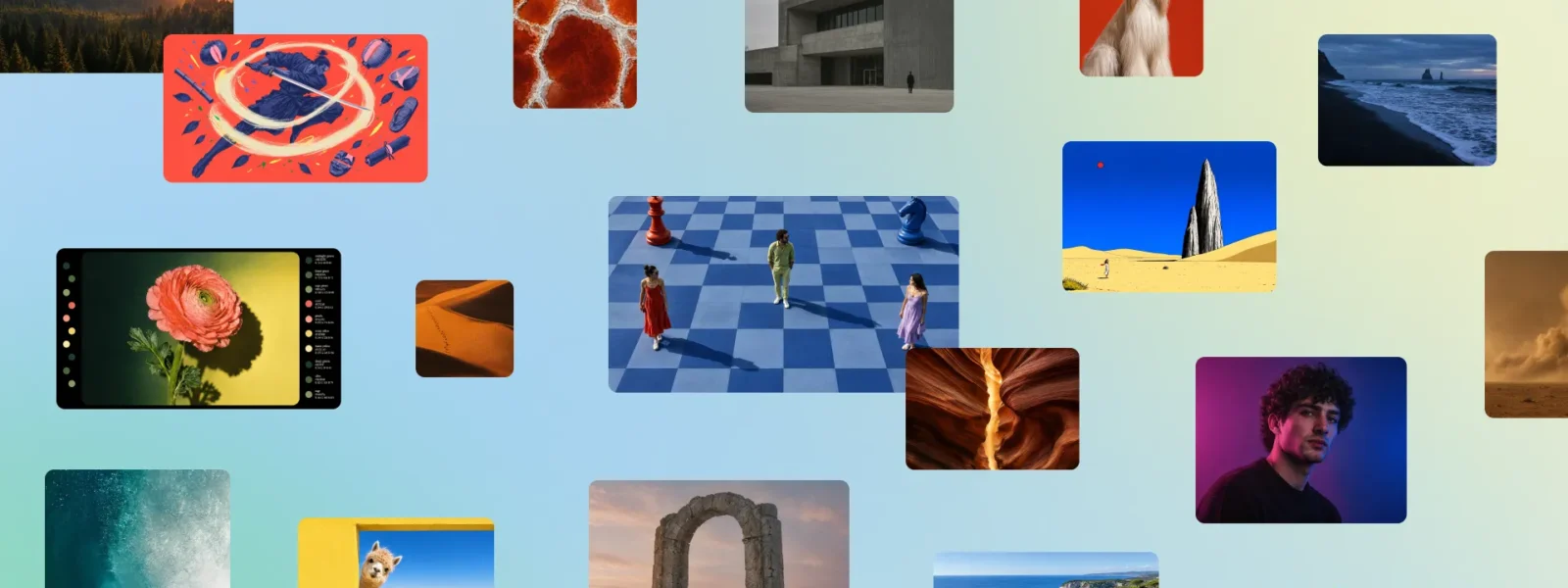
The model is capable of producing images at a resolution of up to 2K and supports more than 30 different aspect ratios, making it versatile for various design needs. Canva Craft can be used to create a wide range of content, including social media posts, marketing materials, and more complex scenes, digital art, and environmental imagery.
By leveraging this technology, Canva aims to provide users with a more streamlined and efficient design process. The platform claims that Canva Craft can generate realistic scenes, digital art, and environmental imagery, among other types of content.
Canva's move into AI-driven image generation is part of the company's ongoing commitment to innovation and user experience. With the increasing demand for high-quality, customizable designs, Canva Craft is poised to offer a powerful tool for both professionals and casual users alike.
The launch of Canva Craft marks a significant step forward in the company's AI strategy, positioning it as a leader in the field of AI-driven design tools. As Canva continues to integrate AI into its platform, users can expect even more advanced and user-friendly design solutions.
Canva Craft's two-stage architecture is designed to optimize the design process, ensuring that each image generated is both aesthetically pleasing and functionally appropriate for the intended use. This approach is expected to reduce the time and effort required to create high-quality designs, making the process more accessible to a broader audience.