ISLAMABAD: Prime Minister Muhammad Shehbaz Sharif said on Sunday that Pakistan needs national dialogue, political harmony, and close coordination between federal and provincial governments to advance the country's socio-economic development. Speaking at the National Security Workshop, Sharif stated the government inherited numerous economic challenges but succeeded in stabilizing the national economy through difficult policy decisions and sincere efforts.
Sharif noted that Pakistan’s gross domestic product (GDP) growth for the current year is projected at 3.5 percent and said there is a need to raise it to at least six percent at the earliest possible time. He expressed satisfaction with foreign exchange reserves, calling them among the highest in Pakistan’s history, but cautioned that progress requires continuous hard work, honesty, and mutual trust.
The prime minister reported that exports increased by eight percent during the first quarter of the current fiscal year. He highlighted growth in the information technology sector, stating IT exports reached $4.6 billion by the end of the year, compared with around $1.5 billion three years ago.
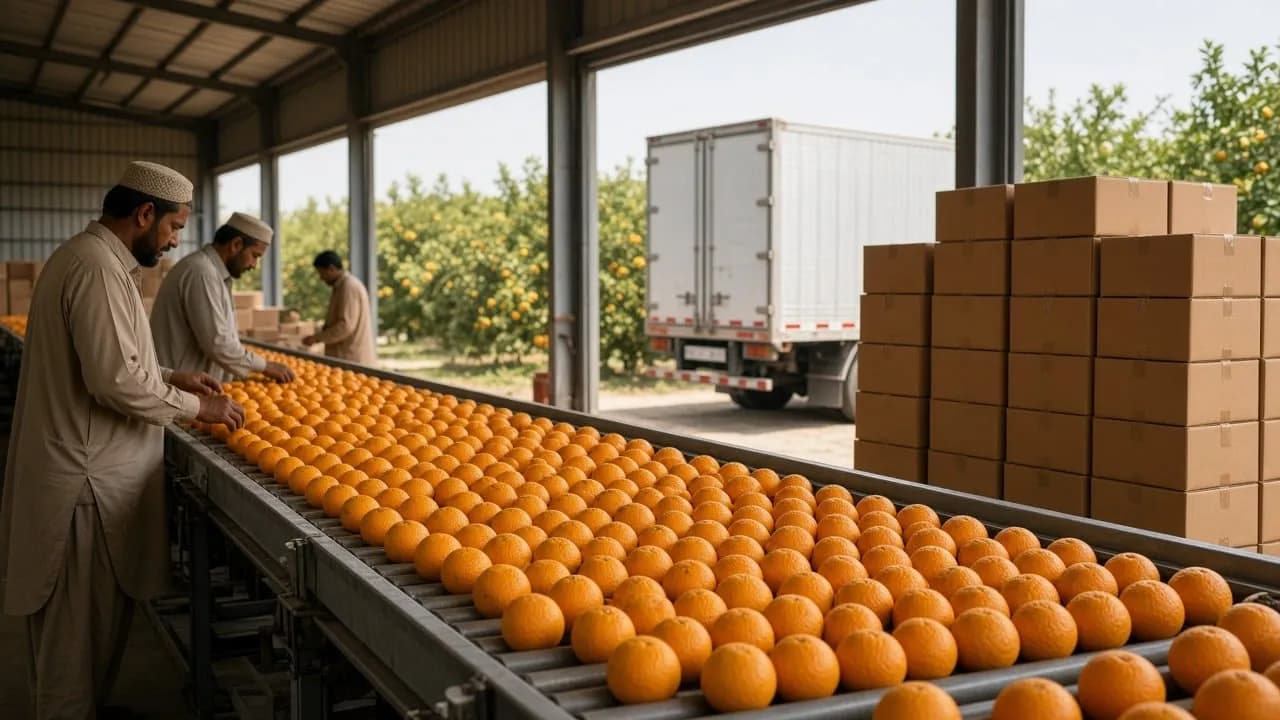
Sharif called agriculture the backbone of the economy and regretted that the sector has not received the attention it deserved over the past eight decades. He stressed the need for a comprehensive transformation of agriculture and livestock. "We have the potential to transform our economy through agriculture within a short period if we adopt the right policies and work diligently," Sharif said.
Regarding the population, the prime minister described the youth as both a challenge and an opportunity. He noted that around 60 percent of Pakistan’s population comprises young people and said investing in their capabilities is more valuable than natural resources. He called for equipping young people with education, information technology, artificial intelligence, vocational skills, and professional training.
On structural reforms, Sharif said significant changes were introduced in the Federal Board of Revenue (FBR) during the last two and a half years to remove corrupt elements and strengthen enforcement. He stated that during fiscal year 2025-26, authorities recovered Rs900 billion through enforcement measures. He claimed nearly Rs2 trillion had previously been lost through corruption, collusion, and tax evasion.
Sharif recalled a September meeting in New York with the Managing Director of the International Monetary Fund (IMF). He said she praised Pakistan’s reform efforts as transformative and expressed surprise at the pace of implementation.
The prime minister also discussed diplomatic achievements, stating Pakistan played a constructive role during the Iran-United States conflict. He credited Field Marshal Syed Asim Munir and Deputy Prime Minister and Foreign Minister Ishaq Dar for facilitating dialogue between Iran and the United States in Islamabad after a gap of 47 years. These efforts led to the signing of the Islamabad Memorandum of Understanding in June this year.
Sharif noted that a Strategic Defense Agreement was signed with Saudi Arabia in Riyadh last year, followed by a Trilateral Defense Agreement involving Pakistan, Saudi Arabia and Turkiye this year. He stated these agreements are based on mutual trust and are not directed against any country.
Responding to questions, Sharif described rapid population growth as a “ticking time bomb” that could affect economic development. He criticized decades of subsidies to industries without desired outcomes and noted that salaried individuals bear a disproportionately large tax burden. He defended the closure of the Pakistan Public Works Department (PWD) and Utility Stores Corporation, saying they were centers of recurring corruption.
Sharif also defended the privatization of Pakistan International Airlines (PIA), stating the carrier incurred annual losses of around Rs300 billion. He noted that Rs27 billion was transferred to deserving families during the current year through the Benazir Income Support Programme (BISP) using digital wallets.