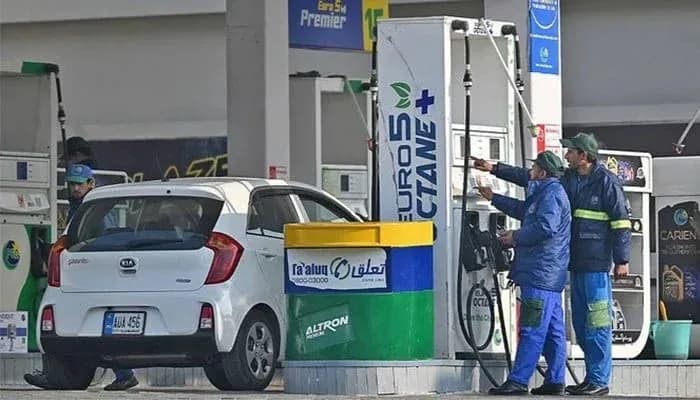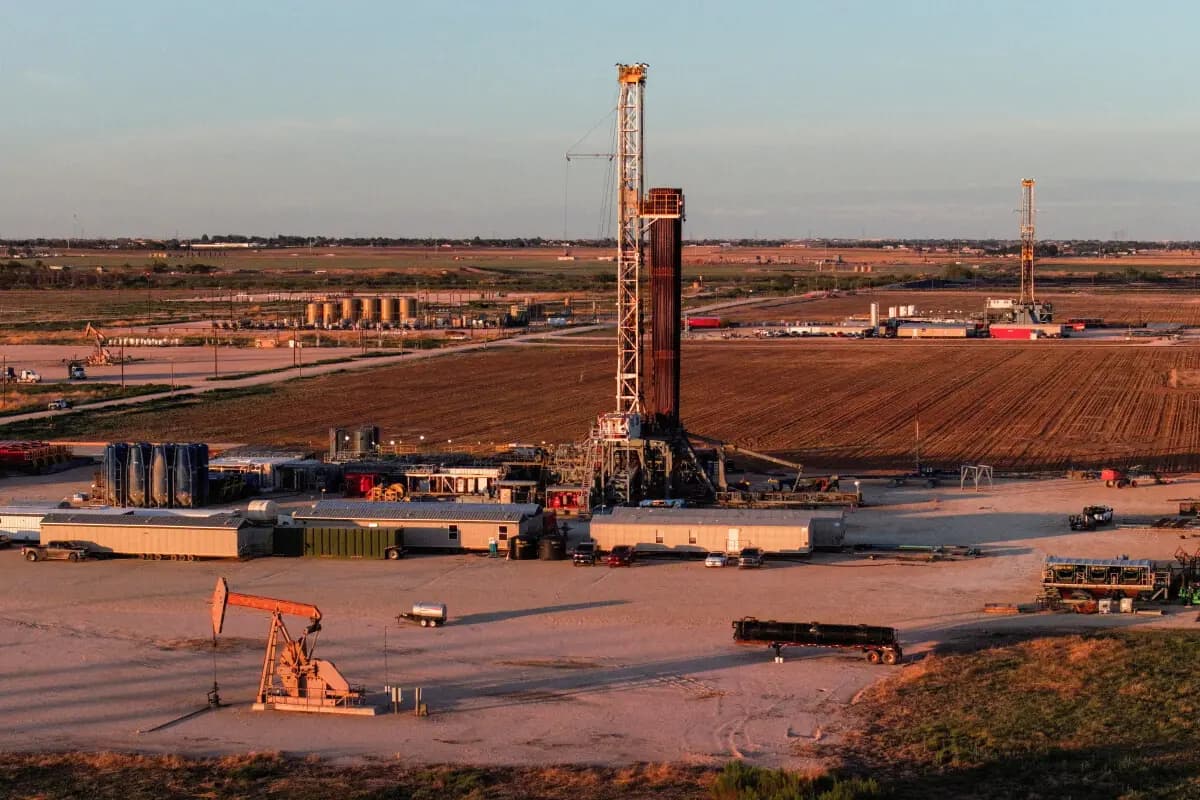
The federal government has finalized a plan to break up Sui Northern Gas Pipelines Limited (SNGPL) and Sui Southern Gas Company Limited (SSGCL) into six to eight smaller entities. The move is designed to introduce competition into Pakistan’s gas market by separating gas transportation, distribution, and sales businesses.
According to top petroleum division sources, the reform framework has been submitted to Prime Minister Shehbaz Sharif for in-principle clearance. The Prime Minister must also provide guidance on whether the plan should be formally presented to the federal cabinet, the Council of Common Interests (CCI), or Parliament.
The plan, which received technical support from the World Bank, KPMG, and Wood Mackenzie, has the backing of the International Monetary Fund (IMF). This clearance is required under Pakistan’s ongoing program and gas circular debt management plan.
The petroleum division proposes creating at least four gas sales entities. Two competitive gas supply (CGS) companies would serve commercial and industrial consumers, while two regulated gas supply (RGS) companies would serve households. Under this framework, SNGPL and SSGCL would gradually open their portfolios to private competitors, making 20 percent available in the first year and an additional 10 percent in each of the following two years. This would eventually open 60 percent of the market to competition.
The government intends to end the current conflict of interest where the two Sui companies act as both network operators and gas suppliers. As stated in a summary seen by Dawn, "The central structural reform is the legal and operational separation of the Sui companies’ transportation and distribution activities from their gas supply and marketing activities — the separation of molecules from pipes."
To manage the transition, the Prime Minister’s authorization is needed to appoint transaction advisers to navigate constitutional, legal, regulatory, and financial requirements over the next five to six months. The government aims to reach the implementation stage by the fourth quarter of 2027.
Financial projections based on FY2025 accounts indicate that while transportation and CGS businesses would be profitable, the RGS segment serving residential consumers would incur losses. For SNGPL, the RGS segment would post an after-tax loss of Rs158bn, as gas costs of Rs322bn far exceed sales revenue of Rs224bn. For SSGCL, the RGS segment would incur an after-tax loss of Rs59bn.
To address these losses, the government plans to gradually raise gas prices, reduce domestic billing slabs from 12 to one, and provide direct subsidies to vulnerable consumers. Currently, domestic consumers pay an average of Rs1,268 per million cubic feet (MCF), but a "69.8pc increase required to reach break-even at the profit-before-tax level" would bring that to Rs2,152 per MCF.
The plan also proposes parking more than Rs3 trillion in gas circular debt in a special purpose vehicle (SPV), funded through a debt-servicing surcharge in consumer tariffs. Additionally, the plan seeks a total capital expenditure of Rs736bn for SNGPL and Rs390bn for SSGCL over six years, proposing a multi-year tariff based on the regulatory asset base methodology used by K-Electric.
A top official stated, "We will be rolling out the transformation plan into the implementation stage by the fourth quarter of 2027."