Key Takeaways
- Battery imports for solar systems increased by 220% in one year.
- Pakistan now has around 38GW of distributed solar capacity installed.
- Trina Storage is working on developing storage solutions for local projects.
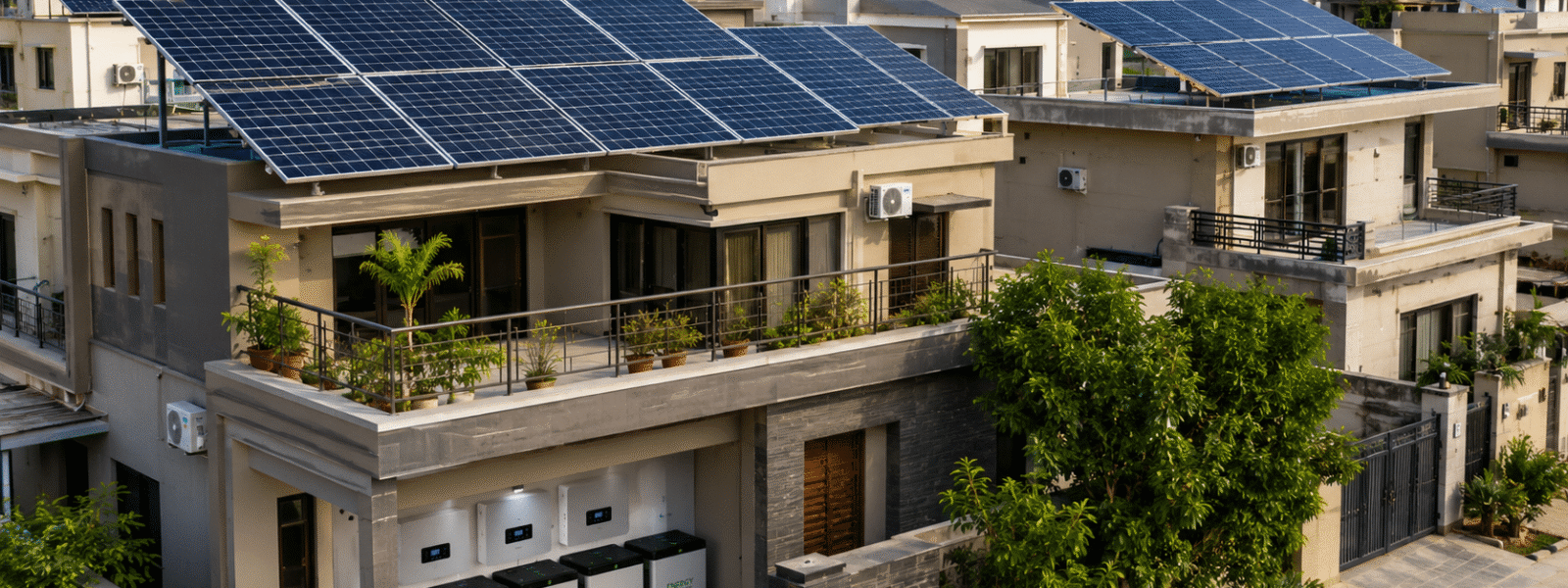
Pakistan’s growing reliance on distributed solar energy has led to a significant increase in the demand for battery storage systems, with imports surging by 220% in just one year. This trend reflects a broader shift among solar owners who are increasingly wary of the national grid.
According to industry estimates, Pakistan now boasts approximately 38GW of distributed solar capacity across residential, commercial, industrial and agricultural sectors, making it one of the world’s fastest-growing markets for such installations.
Trina Solar, a leading manufacturer in the energy storage sector, reports that its subsidiary Trina Storage is actively working with engineering partners to assess system compatibility and develop tailored solutions for local projects. The company has already supplied over 500MW of solar modules for various applications in Pakistan.
Battery storage systems can complement existing solar installations by storing excess electricity generated during the day for use at night or during periods when the grid is unreliable. However, integrating battery storage requires careful technical assessments to ensure compatibility with existing infrastructure and compliance with safety standards.
One commonly used approach is AC-coupled storage, which allows batteries to operate alongside existing solar installations through a separate power conversion system, reducing the need for major changes to the original setup.
Trina Storage’s Vertex N G3 760W module series has recently been introduced in Pakistan, designed to meet the technical and commercial requirements of local projects. The company expects its cumulative battery storage shipments to exceed 30GWh by the first half of 2026.
The rapid expansion of distributed solar generation highlights a growing concern among consumers about the reliability of the national grid. As more homeowners and businesses turn to solar power, the demand for reliable energy storage solutions is expected to continue rising.