Key Takeaways
- Bangladesh's foreign policy has shifted, moving beyond its long-standing relationship with India.
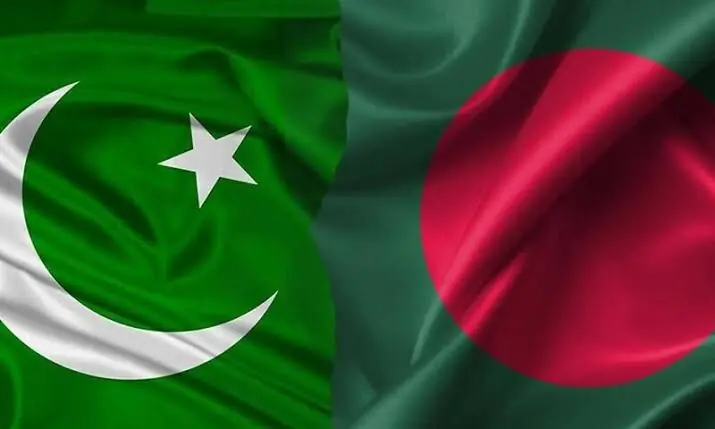
- Pakistan has become a key player in Bangladesh's new foreign policy, with direct shipping and air links resuming.
- The change reflects a policy of diversification and is supported by the Bangladeshi electorate.
For decades, Bangladesh's foreign policy was heavily influenced by its relationship with India, which began in 1971 when India played a crucial role in the country's independence. However, in August 2024, a student-led uprising led to the fall of the government of Sheikh Hasina, and an interim administration under Nobel laureate Muhammad Yunus began exploring new foreign policy options.
In late 2025, Pakistan's then chairman of the joint chiefs of staff committee, General Sahir Shamshad Mirza, visited Dhaka and met with Yunus, alongside Bangladesh's National Security Adviser and Pakistan's High Commissioner. The meeting covered trade, investment, and defence cooperation, marking a significant shift in the relationship between the two countries.
Direct shipping and air links between Karachi and Dhaka resumed in early 2026, ending a 14-year halt that had forced goods and people to use expensive, indirect routes. Pakistan has proposed that Karachi Port serve as a transit point for Bangladesh-China trade, potentially reducing Bangladesh's dependence on a single land or sea corridor.
This development does not mean that Bangladesh has severed ties with India. Instead, it has opened a second door out of the room, allowing Dhaka to diversify its partnerships. In February 2026, Bangladeshi voters delivered a parliamentary victory to the Bangladesh Nationalist Party, continuing the diversification efforts initiated by the interim government.
The shift in Bangladesh's foreign policy is not a result of external pressure but a policy that has enough domestic support to survive an actual election. This aligns with the broader tradition of foreign policy, which treats diversification as a sign of maturity, not disloyalty.
The change in Bangladesh's foreign policy reflects a broader trend in international relations, where countries seek to balance their relationships with multiple partners. This approach allows for greater flexibility and reduces the risk of being overly dependent on any single nation.
While the relationship with India remains strong, the new alliances with Pakistan and other nations indicate a more nuanced and diversified approach to foreign policy. This shift is seen as a positive development by many analysts, who view it as a sign of Bangladesh's growing independence and strategic acumen.