Key Takeaways
- Car sales in Pakistan rose by 80% in the first two months of FY27.
- Trucks and buses saw a 81% and 9% increase respectively.
- Two- and three-wheelers sales increased by 29%.
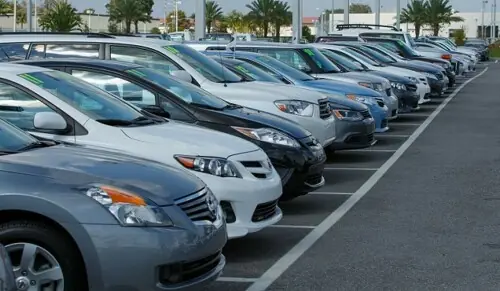
Auto sales in Pakistan have seen a significant boost, with a 80% increase in the first two months of the current fiscal year (FY27) compared to the same period last year, according to data from the Pakistan Automotive Manufacturers Association (PAMA).
While the overall trend is positive, there are notable variations within the market. Passenger cars, for instance, have recorded a 36% growth in production and an impressive 80% surge in sales, driven by strong domestic demand for commercial vehicles.
Trucks and buses have also shown strong growth, with a 84% increase in production and a 73% rise in sales. Two- and three-wheelers, including motorbikes and rickshaws, have seen a steady 29% expansion in both production and sales volumes.
However, the picture is not entirely rosy. Sales of jeeps and pickups have fallen by 44% to 4,443 units, while farm tractors have only managed a 5% increase in sales, despite a 17% decline in production.
The decline in farm tractor sales is attributed to the end of a government support scheme for purchasing tractors. While the government has announced a new scheme, its implementation is pending, causing potential buyers to delay their purchase decisions.
Muhammad Sabir Shaikh, an auto expert, attributes the overall increase in vehicle sales to improved economic conditions, favourable leasing schemes, and stable interest rates. He noted that the industry is currently experiencing a regulatory vacuum, which is causing fluctuations in monthly sales figures.
Despite the positive growth, the industry is still far behind the historic peaks achieved during fiscal year 2022. The surge in sales is largely due to the low base effect from previous years, and the overall annual growth reflects easing inflationary pressures and better credit availability.
The relaunch of the Elantra model has garnered strong interest from customers, with impressive growth both month-on-month and year-on-year. However, the sales of hybrid vehicles, such as the HR-V, have been hampered due to policy uncertainty over the sales tax treatment for hybrid vehicles.
The automotive industry remains optimistic about the future, with the expectation that clear policy announcements will help address the challenges faced by hybrid and plug-in hybrid variants.
Improved economic conditions, favourable leasing schemes and stable interest rates have pushed up vehicle sales.
Muhammad Sabir Shaikh, Auto expert