Key Takeaways
- Airlines are increasingly using AI to set ticket prices, making it harder for passengers to find cheap seats.
- AI systems can adjust prices continuously based on demand, potentially raising fares in high-demand areas while lowering them in quieter routes.
- Firms like Fetcherr provide AI-based pricing tools that help airlines maximize revenue.
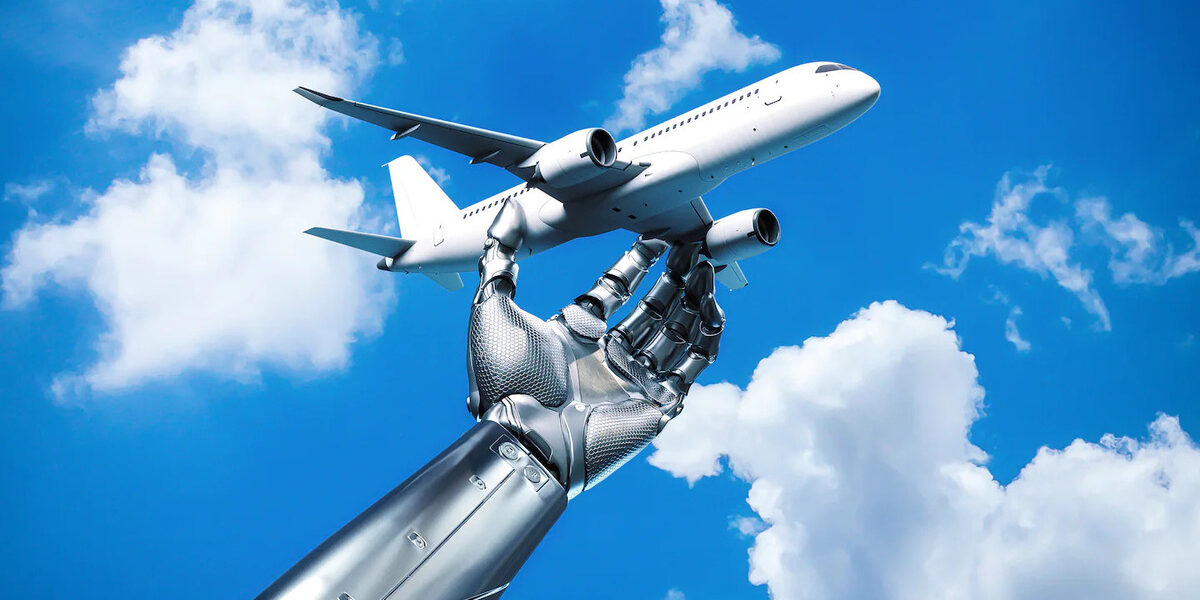
Airlines are increasingly relying on artificial intelligence (AI) to set ticket prices, making it harder for passengers to find unusually cheap seats on popular flights. This shift from traditional airline pricing methods is changing the way tickets are sold and purchased.
Unlike fixed rules that relied on analysts, new AI systems can examine a wide range of variables and adjust prices in real time as demand changes. This allows airlines to sell fewer seats below what they believe passengers are willing to pay, potentially increasing revenue per flight.
The change is not necessarily making every ticket more expensive. AI systems can reduce fares on quieter routes or less popular departure times when airlines need to attract more passengers. This means off-peak flights could become cheaper, even as prices rise more quickly on busy routes.
Aviation consultant Bryan Terry said that airlines would use the technology both to raise prices where demand is strong and cut them where cheaper fares could stimulate bookings. He noted that this approach can help fill more seats and increase revenue per flight.
Israeli technology company Fetcherr is one of the firms providing AI-based pricing tools to airlines. Its customers include Delta Air Lines, Virgin Atlantic, WestJet, Azul and Viva Aerobus. The company says its platform studies market conditions, predicts demand and automatically recommends or publishes fares in real time.
Fetcherr co-founder Uri Yerushalmi said modern models can consider dozens or even hundreds of categories of information when calculating fares. The company claims that its system mainly increases revenue by improving how many seats are filled and how they are priced, rather than simply increasing every ticket price.
Azul now uses Fetcherr’s AI-driven pricing across more than 70% of its network, according to the company. The system produces more than three million fare recommendations each year.
Airlines are also using AI after passengers have already purchased their tickets. Volantio develops systems that identify passengers who may be willing to move from a busy flight to another departure in return for compensation. This allows airlines to resell the released seat to a passenger willing to pay more at the last minute.
The company works with airlines including Japan Airlines, Southwest Airlines, Air Canada and Alaska Airlines. Its technology is designed to shift flexible passengers away from heavily booked flights and open those seats for higher-value demand.
Airlines would use the technology both to raise prices where demand is strong and cut them where cheaper fares could stimulate bookings.
Bryan Terry, Aviation consultant