Key Takeaways
- Researchers use AI to design proteins that cut other proteins.
- The enzymes can be tuned to target specific proteins, potentially aiding in medical research.
- Demonstrated effectiveness in cutting proteins linked to neurological diseases.
Scientists have developed a groundbreaking method using artificial intelligence (AI) to design proteins that can specifically cut other proteins. This innovative approach could revolutionize the field of protein engineering and have significant implications for medical research.
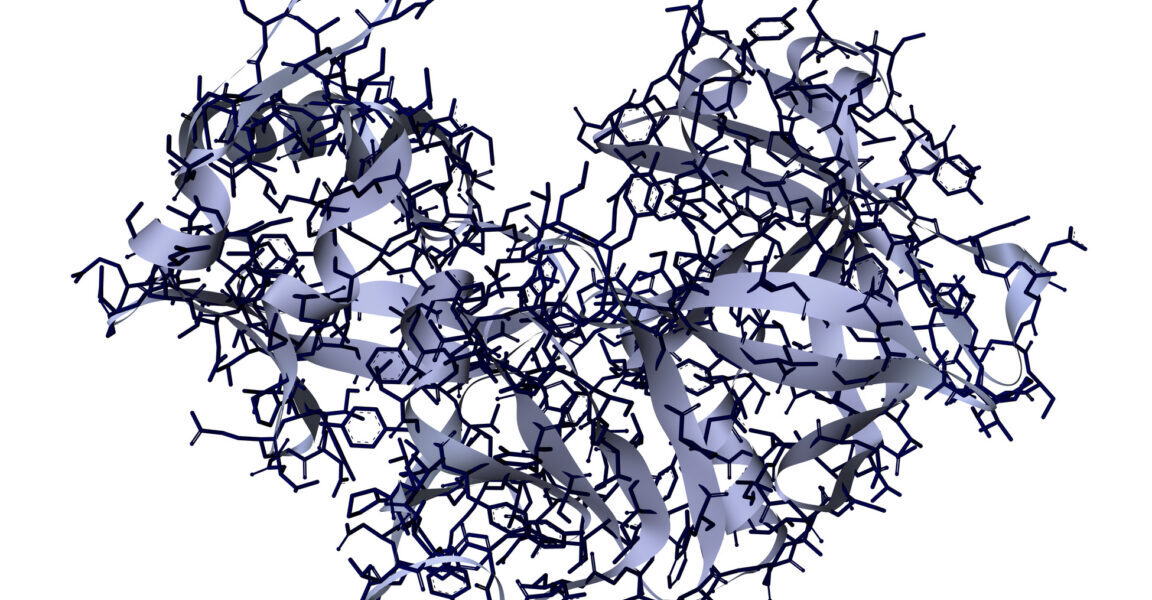
Proteins are chains of amino acids held together by peptide bonds. These bonds are typically very stable, but in nature, proteins are broken down by enzymes known as proteases. These enzymes are crucial for various biological processes, including digestion and the regulation of cellular functions. However, researchers have now found a way to bypass the natural evolution of these enzymes, creating new ones with specific functions.
The team used AI-based protein design tools to take the catalytic core of two types of protease and replace the rest of the protein. This allowed them to create enzymes that could be finely tuned to cut specific proteins in half. The researchers demonstrated the effectiveness of these enzymes by using them to cut proteins associated with neurological diseases, showcasing their potential in targeted medical applications.
The basic peptide bond, formed by linking an amino group to an acid, is a fundamental component of protein structure. Amino acids, which have both an amino and an acid group, can form peptide bonds on two sides, allowing for the creation of long protein chains. These chains have unique properties due to the distinctive chemistry of their side chains.
The researchers' method could be particularly useful in studying and treating diseases where specific proteins play a crucial role. By targeting these proteins with precision, the new enzymes could help in developing more effective treatments for conditions such as Alzheimer's and Parkinson's disease.
This breakthrough in protein design could also have broader applications in biotechnology and pharmaceuticals. The ability to create enzymes with specific functions could lead to the development of new drugs and therapies that are more targeted and effective.
The researchers' findings were published in a recent article, highlighting the potential of AI in advancing protein engineering. This work could pave the way for new approaches in medical research and treatment, offering hope for more precise and effective therapies in the future.