Key Takeaways
- University Road project has faced repeated delays and cost overruns.
- Citizens and businesses are suffering from prolonged traffic and disruption.
- PDP chairman Altaf Shakoor calls for accountability and better project management.
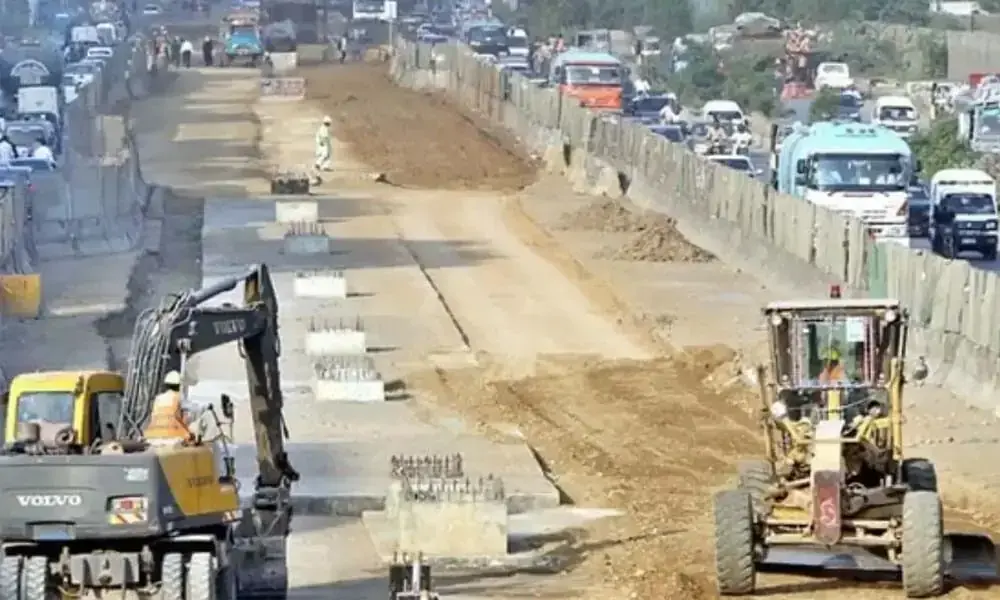
KARACHI: The ongoing University Road project in Karachi has been highlighted as a glaring failure of governance, according to Pasban Democratic Party (PDP) chairman Altaf Shakoor. The project, intended to improve public transport, has instead subjected residents, students, businesses, and motorists to years of disruption and congestion.
Shakoor stated that the project, which began in 2022, was originally estimated at approximately Rs79 billion but has since increased to around Rs103 billion, an increase of roughly Rs24 billion. The latest reported completion deadline extends to June 2027, making the project a five-year or potentially longer ordeal for those who depend on University Road.
The Red Line BRT project, aimed at providing a modern mass-transit solution, has instead become a source of frustration for the people of Karachi. In June 2026, the Sindh government announced that University Road would be reopened by the end of July, while in August, the provincial transport minister announced that the entire road would be made “100 percent motorable” by September 15. These repeated deadlines have raised serious questions about project planning and coordination.
Shakoor emphasized that the economic consequences of these delays are being borne by ordinary citizens and businesses. Every additional hour spent in traffic means lost working time, greater fuel consumption, and reduced productivity. Businesses along the affected corridor have also faced prolonged disruption and reduced accessibility.
The PDP chairman highlighted that the financial cost of the delay is equally troubling. The project, which was initially expected to be completed within a few years, has now extended to June 2027. This raises questions about why a project costing tens of billions of rupees has suffered repeated delays and why its estimated cost has increased so substantially.
Shakoor called for a culture of delivery rather than announcements. He stated, 'This is not merely an engineering problem. It is a governance and accountability problem. Citizens have a right to know why a project costing tens of billions of rupees has suffered repeated delays? Why its estimated cost has increased so substantially, and who will be held responsible if further deadlines are missed?'
The project has subjected residents, students, businesses, and motorists to years of disruption, congestion, dust, potholes, and diversions. The Red Line BRT project is one of Karachi’s most important arteries, carrying hundreds of thousands of commuters every day. The repeated delays and cost overruns have raised serious questions about project planning and coordination.
Shakoor’s comments come at a time when the economic consequences of these delays are being felt by ordinary citizens and businesses. The project’s ongoing issues highlight the need for better project management and accountability in Karachi’s governance.
This is not merely an engineering problem. It is a governance and accountability problem.
Altaf Shakoor, PDP chairman