Key Takeaways
- FPCCI expressed disappointment over the SBP’s decision to maintain the policy rate at 11.5%.
- OICCI termed the decision a prudent approach, citing inflation and foreign exchange reserves.
- RCCI supported the decision, citing global inflationary pressures from the Middle East conflict.
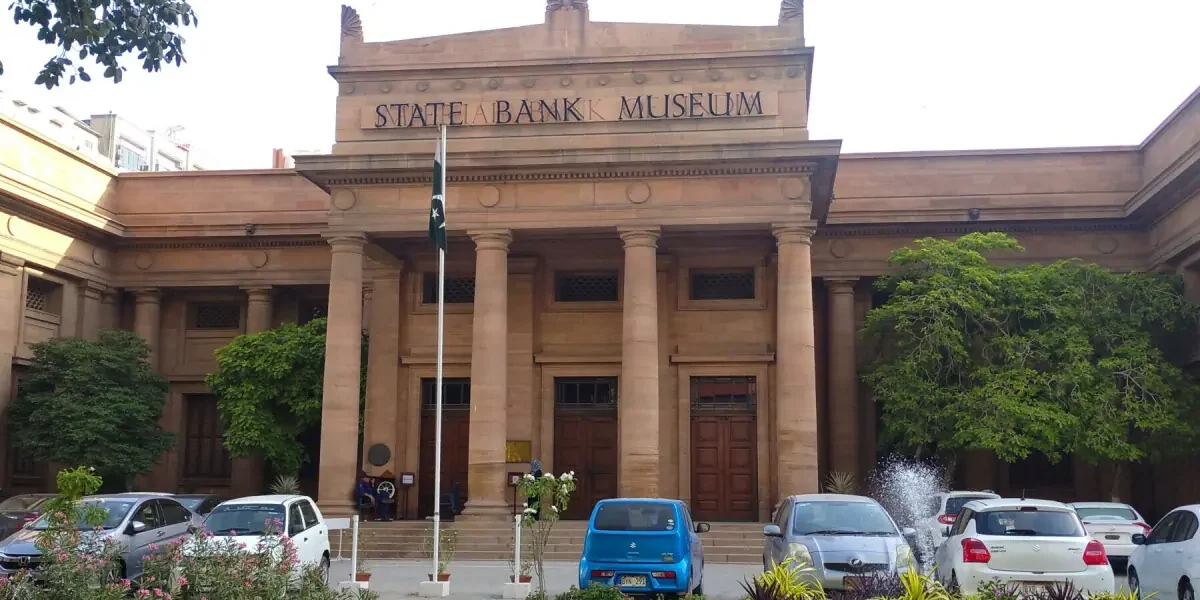
The business community in Pakistan has divided opinions on the State Bank of Pakistan’s (SBP) decision to keep the policy rate unchanged at 11.5%, with some backing the move and others calling for further cuts.
The Federation of Pakistan Chambers of Commerce and Industry (FPCCI) has expressed its disappointment, stating that the decision is highly contractionary and counterproductive, warning that it will continue to stifle economic activity.
FPCCI President Atif Ikram Sheikh emphasized the need for a reduction in the policy rate to single-digit levels to help bring down the cost of doing business, which he said is currently exorbitant.
The Overseas Investors Chamber of Commerce and Industry (OICCI) has termed the SBP’s decision a prudent and balanced approach, considering the current economic environment, where inflation and core inflation remain elevated.
OICCI President Muhammad Asif said that while the decision provides businesses with policy continuity and some space for investment planning, it should not be seen as a substitute for reforms, urging the government to reinforce monetary stability through fiscal discipline and energy-cost rationalisation.
The Rawalpindi Chamber of Commerce and Industry (RCCI) supported the SBP’s decision, citing global inflationary pressures from the Middle East conflict, which have pushed up international energy and commodity prices.
RCCI President Usman Shaukat stated that in such an environment, a steady hand on monetary policy protects the stability that has been achieved with considerable effort over the past two years.
The Korangi Association of Trade and Industry (KATI) President Muhammad Ikram Rajput expressed that high interest rates are slowing the recovery of industrial activity, new investment, and the overall economy.
The business community is currently battling an existential crisis driven by elevated energy tariffs, burgeoning petroleum prices, geo-economic uncertainty, and sky-high financing costs, which have directly resulted in stagnating industrialisation across the country.
Monetary policy was the only, but potent, tool available to the authorities to provide some relief at the moment, but it remained unutilised.
Atif Ikram Sheikh, FPCCI President
In such an environment, a steady hand on monetary policy protects the stability that has been achieved with considerable effort over the past two years.
Usman Shaukat, RCCI President