Key Takeaways
- Residents of Sheikhupura are demanding strict action against nearby factories due to toxic smoke and ash.
- Health concerns, including respiratory issues, are reported among local residents.
- Calls for scientific testing and regular monitoring of pollutants are growing.
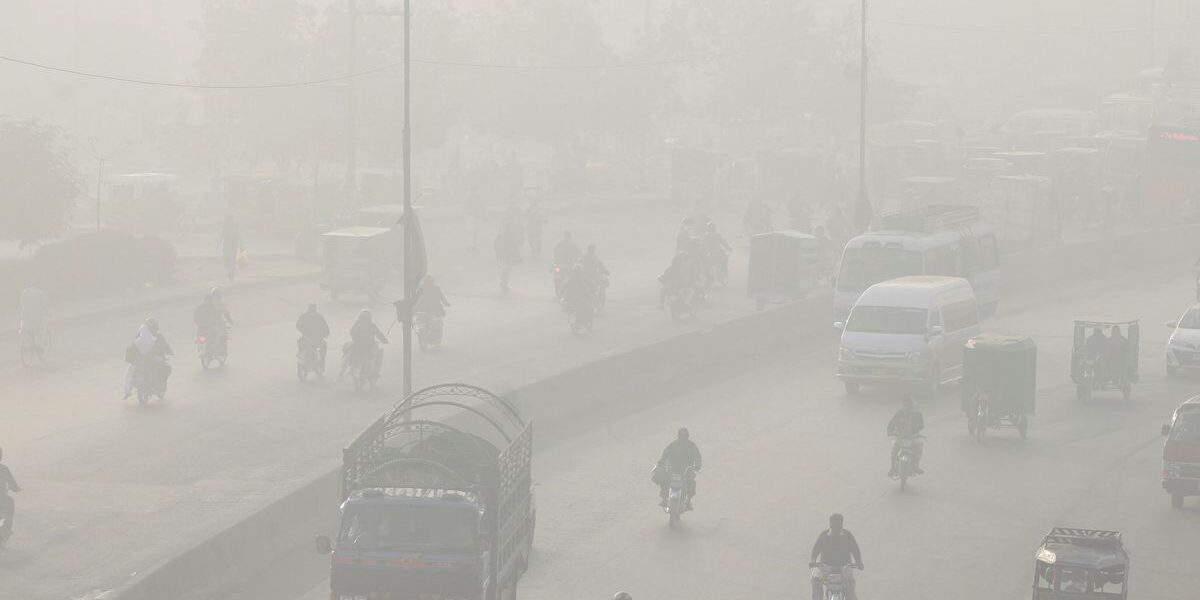
Residents of several densely populated areas in Sheikhupura, including E-Community Housing Society and Housing Colony, are facing severe air pollution from industrial emissions, leading to widespread health concerns.
The situation is exacerbated during summer, when people are forced to sleep on rooftops or sit outside to avoid the heat, only to wake up to vehicles, clothes, and house walls covered in ash and black particles.
Dr Gulfam Mubarak Virk, a Senior Medical Officer at the Mothers and Children Complex, warned that prolonged exposure to smoke and fine particles can harm health, particularly in children and the elderly, causing coughing, throat irritation, and shortness of breath.
Omer Hayat Khan, the general secretary of the E-Community Welfare Society, alleged that paper mills, chemical units, and glass factories operate around the clock, contributing to the pollution. He stated that residents have repeatedly approached the district administration and the Environment Protection Department, but little action has been taken.
Khan also alleged that some factories use banned fuels, including waste material, plastic, and rubber, especially at night, although these claims could not be independently verified.
Residents are calling for scientific testing of industrial emissions and fuels, along with regular monitoring of pollutants such as PM2.5, PM10, sulphur dioxide, nitrogen dioxide, and carbon monoxide.
They urge authorities to take preventive steps before the smog season begins, emphasizing the need for clean air as a basic right and warning that ignoring air pollution could hurt future generations.
The residents' demands highlight the ongoing struggle against industrial pollution in Sheikhupura, where the health and well-being of local communities are at risk.