Key Takeaways
- Ambassador Asim Iftikhar Ahmad has been appointed as Pakistan's new foreign secretary.
- The office of foreign secretary has seen a decline in its stature over the past few years.
- The new appointee will succeed Ambassador Amna Baloch, who is retiring on September 17.
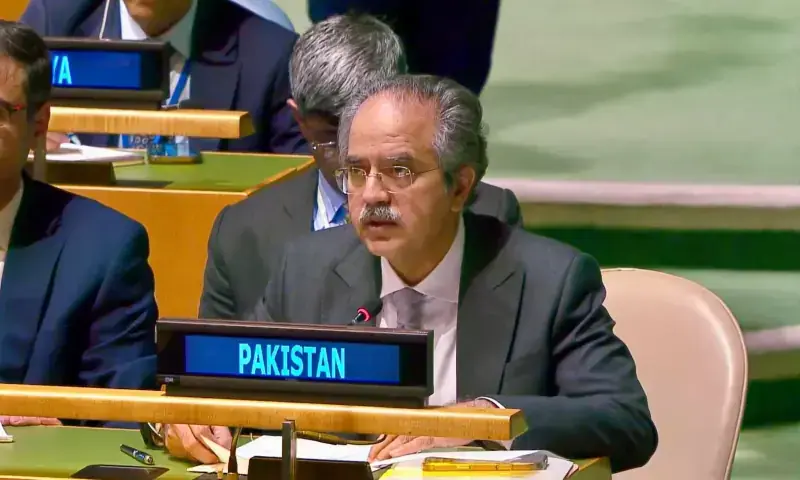
The government of Pakistan has appointed Ambassador Asim Iftikhar Ahmad as the country's new foreign secretary, effective immediately. Deputy Prime Minister and Foreign Minister Ishaq Dar made the announcement, highlighting Ahmad's experience as Pakistan's permanent representative to the United Nations.
According to the Foreign Minister, Ambassador Ahmad will lead the Foreign Office with the same dedication and professionalism that his predecessor, Ambassador Amna Baloch, demonstrated during her tenure. Baloch, who has been serving as the 33rd foreign secretary since September 11, 2024, will retire on September 17.
In a statement, Deputy Prime Minister Dar expressed his confidence in Ahmad, stating, 'I am confident that, under Ambassador Iftikhar’s leadership, the Foreign Office will continue to advance Pakistan’s interests with clarity, professionalism and purpose, building on the important work undertaken by Ambassador Amna Baloch and all her predecessors.'
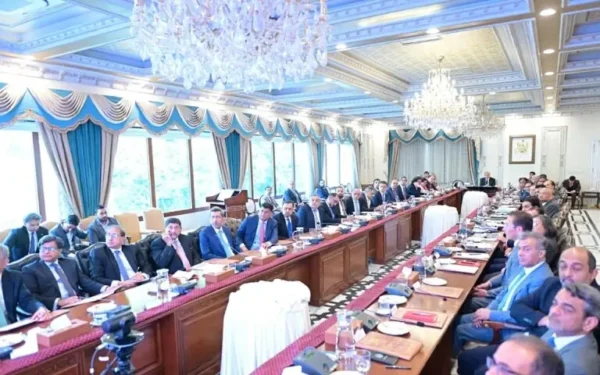
The appointment of Ahmad comes at a time when the office of foreign secretary has faced criticism for its diminished role in the country's diplomatic machinery. Over the years, the stature of the office has declined, with many past incumbents choosing to remain in the background rather than taking a more active role in shaping foreign policy.
One serving ambassador, speaking candidly to Dawn, noted, 'The foreign secretary was not only not on the table, she wasn’t even in the room.' This observation underscores the perception that the foreign secretary’s involvement in significant diplomatic initiatives has been limited.
Despite the decline in the office’s prominence, the Foreign Secretary remains responsible for the administration of the Foreign Office, management of the foreign service, and the implementation of foreign policy. The hierarchy of the Foreign Office remains unchanged, and the foreign secretary continues to oversee the day-to-day operations of the ministry.
However, the real challenge arises when foreign policy intersects with crucial strategic relationships, sensitive political questions, or high-stakes initiatives. At these points, the foreign secretary often appears to be outside the principal decision-making circle, highlighting a fundamental change in the character of the office.
The political and strategic shift in the office’s role is evident in the mediation process between the United States and Iran, where the involvement of the foreign secretary was minimal. This has raised concerns about the office's ability to provide institutional memory and diplomatic craft to significant diplomatic initiatives.
While the appointment of Ahmad is seen as a positive step, the ongoing challenges faced by the office of foreign secretary highlight the need for a broader review of the institution's role and responsibilities in the context of Pakistan's evolving foreign policy landscape.
I am confident that, under Ambassador Iftikhar’s leadership, the Foreign Office will continue to advance Pakistan’s interests with clarity, professionalism and purpose, building on the important work undertaken by Ambassador Amna Baloch and all her predecessors.
Ishaq Dar, Deputy Prime Minister and Foreign Minister
The foreign secretary was not only not on the table, she wasn’t even in the room.
A serving ambassador, Not specified