Key Takeaways
- Pakistan Railways will commence construction on the ML-1 project this year.
- Rs. 25 billion has been allocated for the project from the Rs. 40 billion released.
- The project aims for completion within three years, with some sections already 80% complete.
Pakistan Railways has announced the commencement of work on the long-delayed ML-1 project, marking a significant step forward in the department’s history. The project, which has faced numerous delays, is set to receive Rs. 25 billion from the Rs. 40 billion allocated by the government.
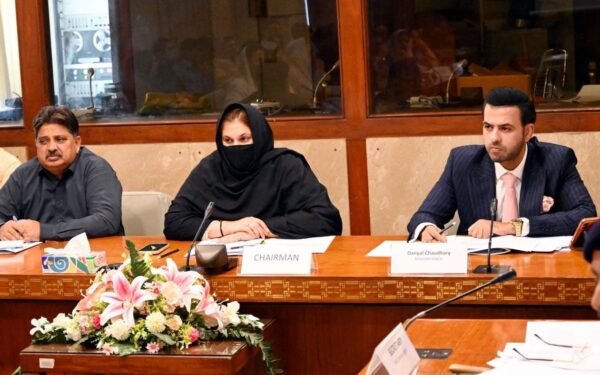
The Railway Board secretary informed the Senate Standing Committee on Railways that the project is expected to be completed within three years. While the funding gap has previously forced the department to prioritize projects, the recent allocation is expected to accelerate progress.
Despite the delayed start, some sections of the project are already making progress. The Kotri-Dadu project, for instance, has reached 80% completion and is targeted for completion by June 2027. However, other sections, such as the Keamari-Hyderabad, have only reached 4%, while the Khanewal-Shorkot track via Faisalabad is at 10% due to funding shortages.
Committee members raised concerns over the deteriorated Sukkur-Rohri section and unanimously approved a proposal to seek intervention from the Prime Minister’s Office. The committee also highlighted the need for improved railway safety and criticized the government for insufficient funding to the Ministry of Railways.
Mahreen Razzaq Bhutto, a committee member, emphasized the urgency of addressing these issues and called for greater financial support. The project’s progress is seen as crucial for improving Pakistan’s transportation infrastructure and enhancing connectivity across the country.
The ML-1 project is expected to play a vital role in boosting economic growth and reducing travel times between major cities. With the recent funding boost, there is hope that the project will finally see the light of day and contribute to the nation’s development goals.