Key Takeaways
- Water quality and TDS levels differ significantly in various regions of Pakistan.
- Freshwater sources in mountainous areas have lower TDS levels.
- Saline groundwater in areas like Cholistan has extremely high TDS concentrations.
Water quality and Total Dissolved Solids (TDS) levels vary dramatically across Pakistan, according to an expert. This variation affects the suitability of water for consumption and industrial use.
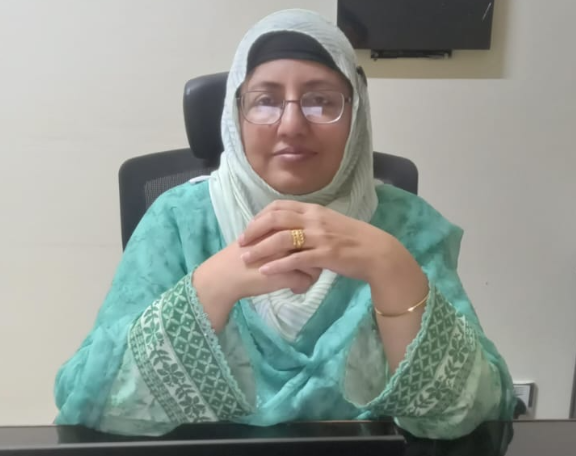
Director of the National Water Quality Laboratory in Pakistan, speaking to Associated Press of Pakistan, highlighted that freshwater sources in mountainous regions have relatively low TDS levels, making the water more suitable for drinking and other domestic uses.
In contrast, areas such as Cholistan, a desert region in Pakistan, have recorded extremely high TDS concentrations, posing significant challenges for water management and public health.
The variation in water quality is attributed to geographical and geological factors, with mountainous regions receiving freshwater from rivers and streams, while desert areas are characterized by saline groundwater.
The expert emphasized the need for comprehensive water quality monitoring and management strategies to address the varying TDS levels and ensure safe water supply across the country.
Public health officials and environmental scientists are working to develop solutions to mitigate the effects of high TDS levels in areas like Cholistan, focusing on water treatment and alternative water sources.
The variation in water quality highlights the need for a more integrated approach to water management, taking into account the unique characteristics of different regions in Pakistan.