Key Takeaways
- Oil refineries failing to sign Upgradation Agreements (UAs) by October 1, 2026, will face financial penalties.
- The decision was made by the Federal Cabinet during a recent meeting.
- The policy aims to produce Euro-V compliant petrol and diesel, enhancing production capacity.
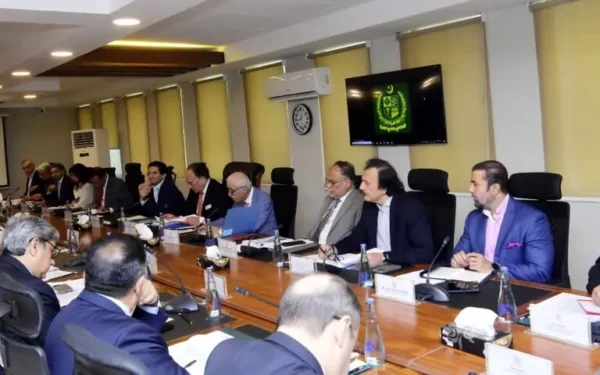
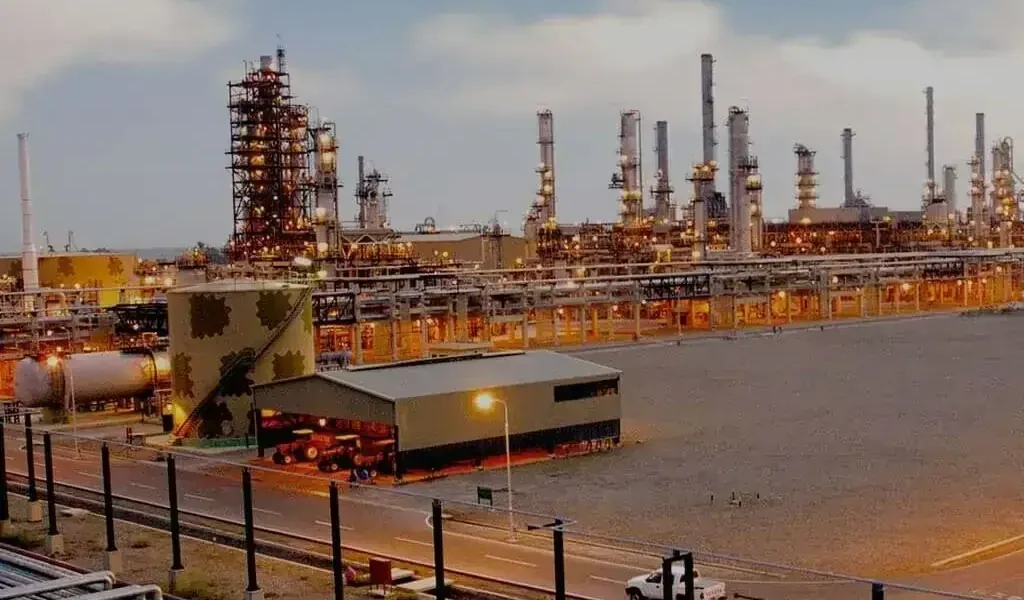
The federal government has announced that oil refineries failing to sign Upgradation Agreements (UAs) with the Ministry of Energy (Petroleum Division) by October 1, 2026, will face financial penalties. This decision was made during a recent Federal Cabinet meeting, following the Cabinet Committee on Energy (CCoE) decision titled ‘Amendments of Pakistan Oil Refining Policy for Upgradation of Existing Brownfield Refineries, 2023.’
The key objectives of the amended oil refining policy include producing Euro-V compliant petrol and diesel, enhancing production capacity, and minimizing furnace oil and other lower-value products. The policy is expected to generate annual foreign exchange savings of approximately USD1 billion and attract foreign investment, particularly from the Kingdom of Saudi Arabia.
During the discussion, the Petroleum Division informed the Cabinet that the upgradation of refineries is expected to generate significant benefits. The amended policy includes several stipulations, such as the requirement for refineries to sign UAs with the Ministry of Energy (Petroleum Division) within 45 days, instead of 60 days, and the transfer of policy implementation and monitoring functions from OGRA to the Petroleum Division.
The policy also includes incentives for refineries that operationalize their upgrade projects within three years, with an additional incentive equivalent to 0.5 percent of the capped limit for every year saved. The upgrade project completion timeline has been reduced to five years plus a one-year cure period, with a one percent reduction in incentive. Licences of refineries that fail to commission upgraded projects within the specified timeline, with a maximum period of 5+1 years, will be liable to be revoked by the competent authority.
The decision to impose penalties on non-compliant refineries is part of a broader strategy to ensure compliance with the new policy. The Petroleum Division clarified that the amendments directed by the CCoE at its meeting on July 28, 2026, have been incorporated into the final draft of the amended Pakistan Oil Refining Policy for Upgradation of Existing Brownfield Refineries, 2023.
Checks have also been incorporated to ensure that any defaulting refinery, or a refinery lagging behind in the physical progress of its upgrade project, will not be able to avail incentives until corrective measures are taken. The federal government may consider an extension of one year beyond the cure period, subject to justification.
The decision to impose penalties on non-compliant refineries is aimed at ensuring that the policy is effectively implemented and that the benefits of the upgradation are realized. The Petroleum Division emphasized the importance of compliance and the potential consequences for non-compliance.