Key Takeaways
- Iran is facing one of the harshest economic squeezes in its history.
- The U.S. naval blockade and sanctions are curbing oil exports and restricting access to foreign currency.
- Iran’s leverage over the Strait of Hormuz is waning as global energy markets adapt.
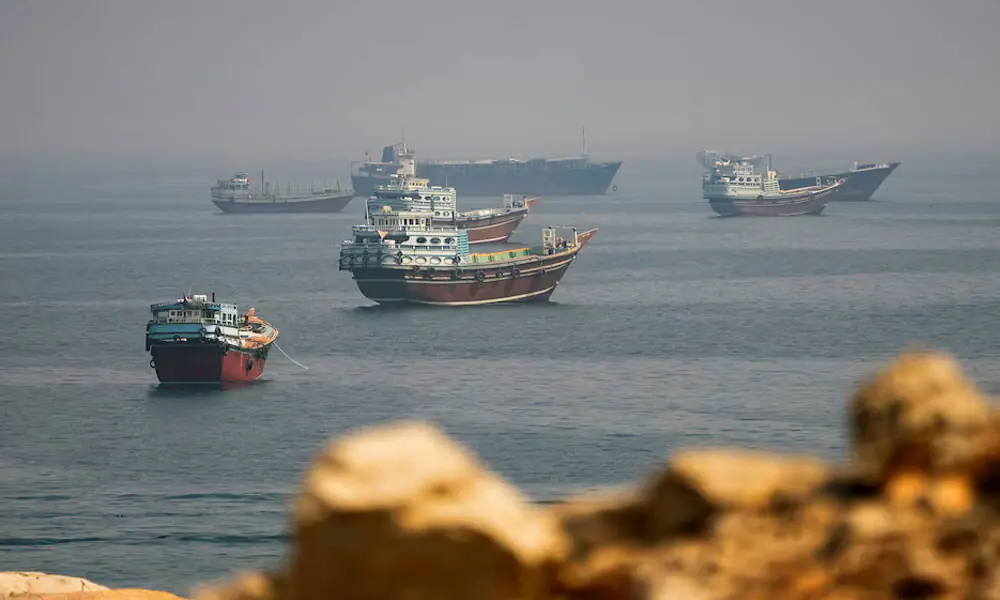
Six months after a conflict that rattled global markets, the economic pressure on Iran is intensifying, according to Iranian insiders and regional sources. The U.S. has launched an unprecedented economic offensive, aiming to force Iran to allow free passage through the Strait of Hormuz, which carries approximately one-fifth of global oil and LNG supplies.
The U.S. naval blockade and stringent sanctions have significantly impacted Iran’s economy, cutting state revenues and restricting access to foreign currency. This has led to growing strains in the economy, with shortages of key imports, including fuel and wheat, becoming a growing concern.
Iranian analyst Arash Azizi stated, 'The balance of power has tilted against Iran a bit.' He added that the U.S. naval blockade is 'really hitting Iran.' Azizi explained that Iran had expected disruption in the strait to trigger a major economic shock, forcing Washington to compromise. However, this has not materialized, as energy markets have adjusted and alternative supplies have continued to flow.
Despite the economic pressure, Tehran has shown little sign of abandoning its demands for sanctions relief, access to frozen assets, and recognition of its security role in the Strait of Hormuz. Three senior Iranian sources acknowledged that Washington’s campaign is becoming increasingly difficult to withstand, with the latest measures sharply restricting Tehran’s ability to access foreign currency, import goods, and tap global financing networks.
Iranian leaders fear a worsening economy, marked by surging prices, weaker trade, and pressure on household incomes, could reignite nationwide unrest. Shortages of key imports, including fuel and wheat, are becoming an increasing concern, officials said.
U.S. Treasury Secretary Scott Bessent described the strategy as a 'one-two punch,' combining the blockade with 'the toughest sanctions in history.' He stated, 'It is going to work in Iran and we are going to collapse this regime.' For some U.S., Israeli, and regional officials, such strains strengthen hopes that economic pressure could eventually carry political consequences.
The effectiveness of the U.S. strategy remains unclear, but regional sources suggest that a new formula for resolving the standoff is now under discussion between mediators and Iran. Whether Iran can outlast the squeeze remains to be seen.
The balance of power has tilted against Iran a bit.
Arash Azizi, Iranian analyst
It is going to work in Iran and we are going to collapse this regime.
Scott Bessent, U.S. Treasury Secretary