Key Takeaways
- Prime Minister Shehbaz Sharif approved the establishment of a Trade Facilitation Board.
- The board will address non-tariff barriers and improve the country’s trade supply chain.
- PM Sharif will chair the board and direct emergency measures to enhance port efficiency.
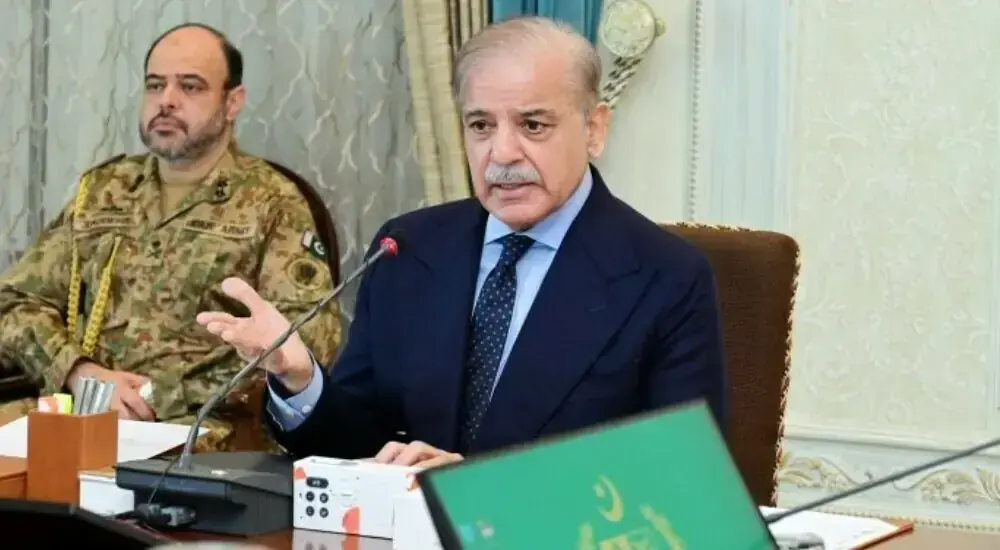
Prime Minister Shehbaz Sharif has approved the establishment of a Trade Facilitation Board (TFB) to streamline the country’s trade supply chain and address non-tariff barriers to cross-border trade. The prime minister himself will chair the proposed board, which will take decisions on issues affecting the entire trade supply chain and devise a roadmap for trade promotion, a Trade Facilitation Index, and a monitoring strategy.
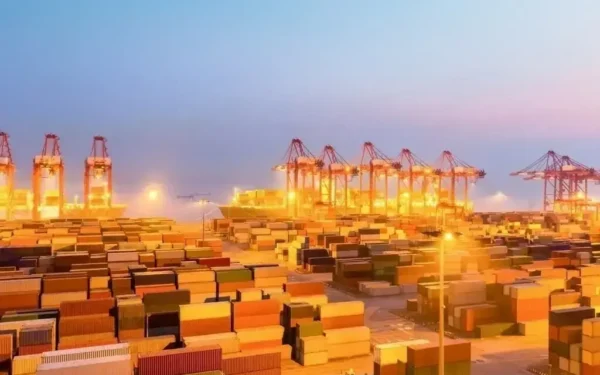
During a high-level meeting on trade facilitation, the prime minister directed relevant authorities to work on an emergency basis to improve the capacity and efficiency of the country’s ports. He called for the formation of working groups to focus on port efficiency, coordination among government departments, regulatory compliance, and pre-arrival clearance. These groups will also examine ways to facilitate the participation of small and medium-sized enterprises (SMEs) in international trade.
The meeting, held in Islamabad, was attended by key ministers including Finance Minister Muhammad Aurangzeb, Minister for National Food Security Rana Tanveer Hussain, Commerce Minister Jam Kamal, Economic Affairs Minister Ahad Cheema, and Federal Minister for Maritime Affairs Junaid Anwar Chaudhry. Adviser to the Prime Minister on Industries and Production Haroon Akhtar and Minister of State Bilal for Finance Azhar Kayani also participated.
According to officials, port charges have been reduced as part of ongoing reforms, resulting in a significant improvement in the use of ports. The facility for submitting goods declarations before the arrival of vessels is also steadily increasing. The prime minister directed the authorities to make the movement and clearance of goods at ports easier for importers and exporters and provide them with maximum facilities.
The Trade Facilitation Board will make decisions regarding all non-tariff matters related to cross-border trade and bring improvements to the supply chain. It will prepare a roadmap for trade promotion, as well as strategies regarding the Trade Facilitation Index and monitoring. The board will also focus on enhancing port capacity, promoting coordination among relevant departments, ensuring regulatory compliance, and pre-arrival clearance.
The prime minister’s directives aim to facilitate the participation of SMEs in international trade and ease the movement of goods at ports. He emphasized the need for emergency measures to improve port efficiency and ensure smoother trade processes. The proposed board will take on these challenges and work towards a more efficient and streamlined trade environment.