Key Takeaways
- Pakistan’s trade deficit increased by 25% to USD 3.95 billion in July 2026.
- Imports rose by nearly 18% while exports grew by about 10%.
- Energy prices, particularly petroleum and RLNG, surged by 40-50%.
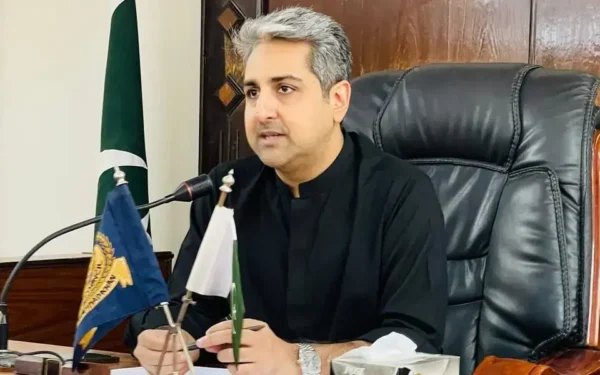
President of the United Business Group (UBG) and former president of FPCCI, Zubair Tufail, has expressed concern over Pakistan’s trade figures for July 2026. The country's trade deficit increased by more than 25 percent to reach USD 3.95 billion.
While the trade deficit declined by around 15 percent month-on-month, continued imports indicate that Pakistan remains heavily dependent on imported goods and energy.
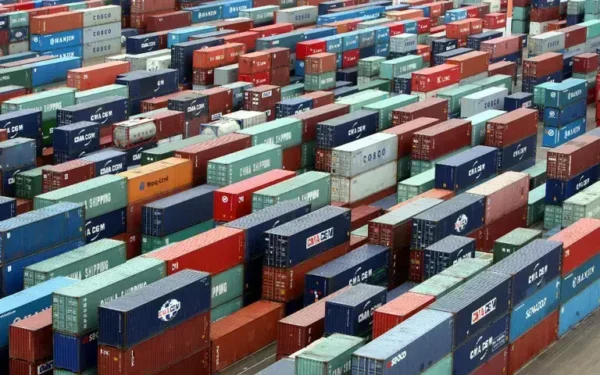
Import payments during July 2026 increased by nearly 18 percent to USD 6.89 billion, while export earnings recorded an increase of approximately 10 percent.
The recovery in economic activity kept demand for industrial raw materials, machinery, and other essential goods high, resulting in elevated imports.
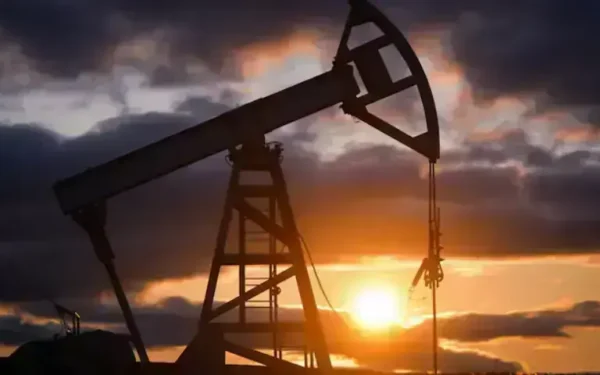
Zubair Tufail pointed out that the increase in global energy prices, driven by geopolitical tensions in the Middle East, significantly contributed to the higher import bill. Prices of petroleum products and re-liquefied natural gas (RLNG) rose by 40 percent to 50 percent compared with the same month last year.
Since Pakistan is an energy-importing country, energy historically accounts for 20 percent to 25 percent of total imports. Increased imports of machinery and vehicles required by industrial and agricultural sectors further widened the trade deficit.
The growth in exports is encouraging, particularly food products like rice, which played a significant role in improving export earnings. Textiles continue to be Pakistan’s largest export sector, contributing 55 percent to 60 percent of total exports during the fiscal year ended June 30, 2026.
Zubair Tufail urged the government to ensure affordable electricity and gas for industries to achieve sustainable export growth. He also called for timely payment of exporters’ refunds and tax rebates, promotion of value-added products, and strengthening trade diplomacy to expand access to new international markets.
Reducing industrial production costs, promoting alternative energy sources, encouraging import-substitution industries, and providing consistent policy support to exporters would help reduce the trade deficit and place Pakistan on a path of sustainable economic growth.