Key Takeaways
- Finance Minister Muhammad Aurangzeb met with IMF officials in Washington D.C.
- Progress on revenue targets and reforms under IMF-supported programs discussed.
- Government plans to return to global capital markets as part of economic strategy.
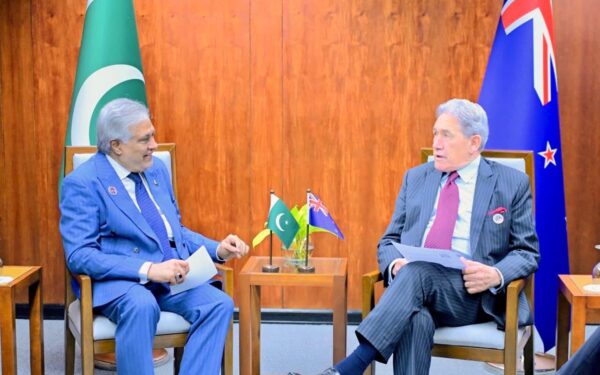
Finance Minister Muhammad Aurangzeb recently held a series of meetings with senior International Monetary Fund (IMF) officials in Washington, D.C., focusing on Pakistan’s economic performance and progress under the country’s IMF-supported programs. These discussions were aimed at reviewing the effectiveness of ongoing reforms and setting future goals.
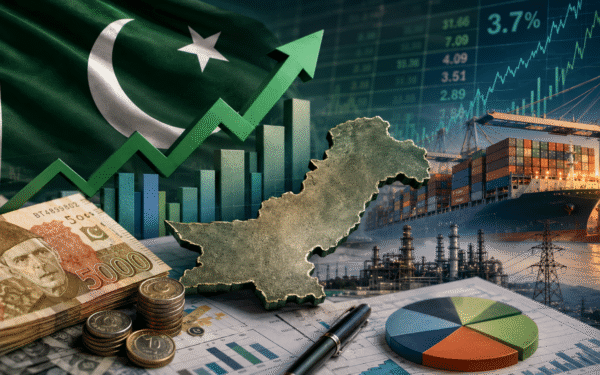
During these meetings, Aurangzeb highlighted significant improvements in Pakistan’s fiscal and external accounts, noting that revenue targets have been met or exceeded. He also underscored the strengthening of foreign exchange reserves, record workers’ remittances, and an improved current account balance. These achievements reflect a positive trajectory for the country’s economic health.
The finance minister briefed IMF officials on ongoing reforms in key sectors such as taxation, energy, privatization, tariff rationalization, debt management, and efforts to diversify financing sources. These measures are part of Pakistan’s broader strategy to return to international capital markets, which is seen as a crucial step towards long-term economic stability and growth.
Aurangzeb emphasized the government’s commitment to maintaining fiscal discipline and implementing structural reforms. He thanked the IMF for recognizing Pakistan’s strong ownership of the reform program and reaffirmed the government’s dedication to policy credibility and long-term economic transformation. The discussions also covered long-term economic priorities, including human capital development, greater participation of women in the workforce, addressing demographic challenges, promoting technology-driven growth, and fostering a private sector-led, export-oriented economy.
The meetings with IMF officials were part of an ongoing dialogue aimed at ensuring that Pakistan continues to meet its obligations under the Extended Fund Facility (EFF) and the Resilience and Sustainability Facility (RSF). These programs are critical for providing financial support and technical assistance to Pakistan as it navigates economic challenges. The government’s focus on these initiatives underscores a commitment to sustainable development and improved economic conditions.
While the discussions were positive, they also highlighted the need for continued vigilance in maintaining fiscal discipline and implementing reforms. Aurangzeb stressed that the government remains committed to addressing structural issues within the economy to ensure long-term stability and growth. The meetings with IMF officials are seen as a significant step towards achieving these goals and positioning Pakistan for future economic success.
The finance minister’s interactions with IMF officials reflect a broader strategy aimed at rebuilding trust in international financial institutions and demonstrating Pakistan’s commitment to sound economic management. These efforts are expected to pave the way for increased foreign investment and improved access to global capital markets, which could have significant positive impacts on the country’s economy.