Key Takeaways
- Millions mourned the late Supreme Leader Ali Khamenei, displaying symbols of martyrdom.
- A grand spectacle was orchestrated to assert unity and continuity after his funeral.
- Restrictions on dress codes and public behavior have eased, reflecting a shift towards younger generations.
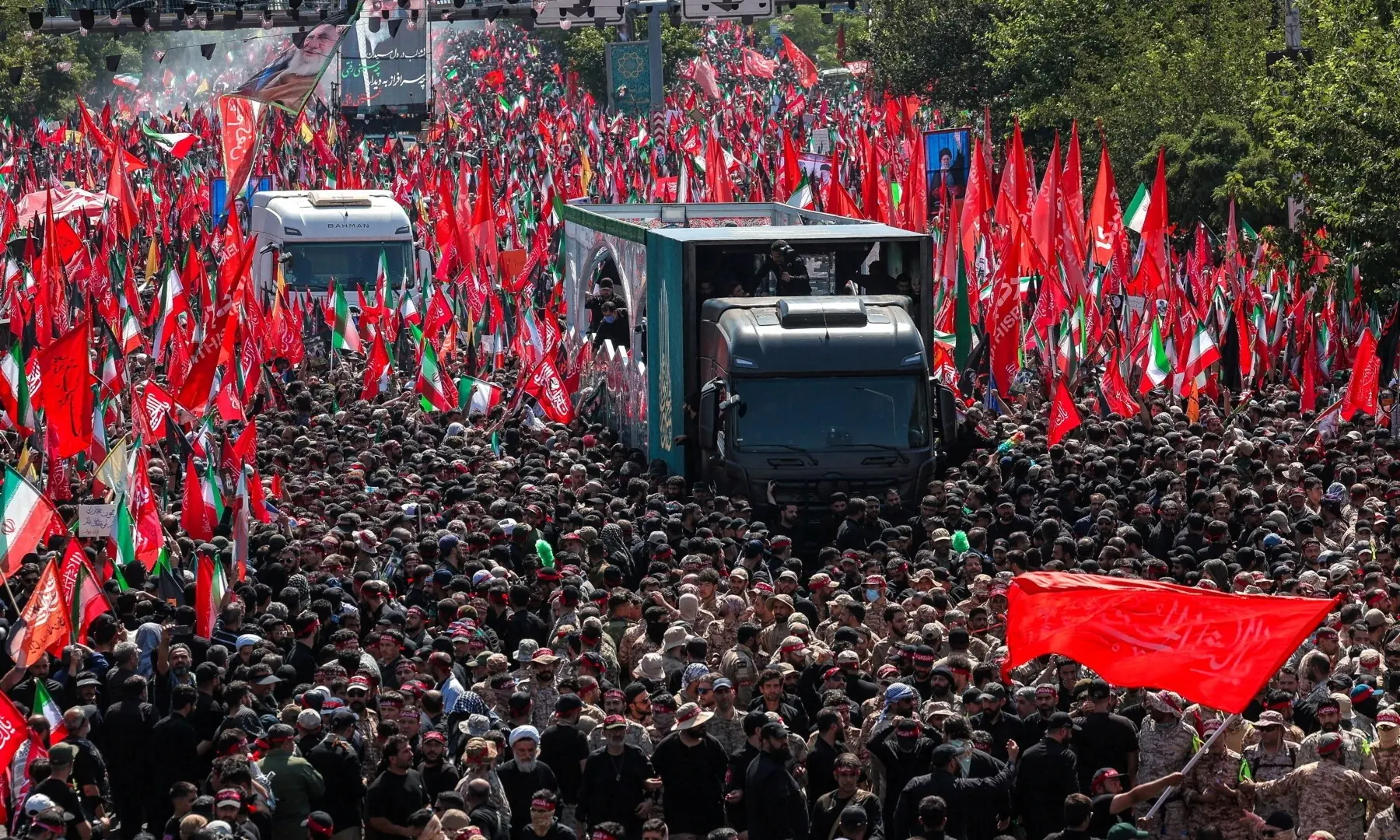
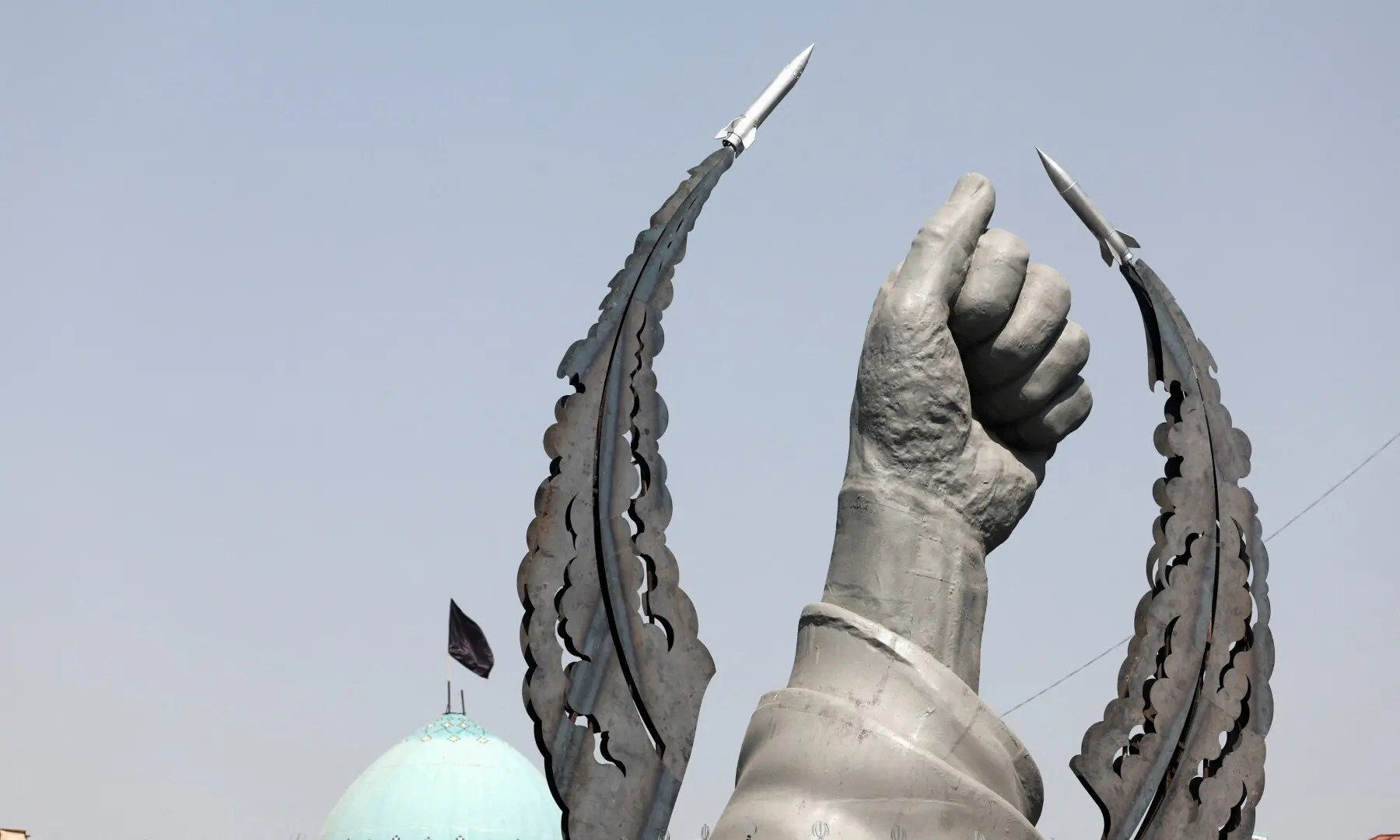
In early July, Tehran was gripped by a somber atmosphere as millions of people in black mourning attire carried red flags, symbolizing the blood and martyrdom of their leader, Supreme Leader Ali Khamenei. The funeral procession, which took place on February 28, saw a towering fist constructed in Revolution Square to assert that the Islamic Republic stood undefeated.
The event was not just a display of grief but also a grand spectacle of unity and continuity, orchestrated for both domestic consolidation and Western consumption. 'The war has given the Revolution a new lease on life,' an elderly supporter named Akbar Ali Jafari told Reuters, highlighting how the leadership sought to cast itself as embattled defenders of the nation.
However, the national mood changed dramatically in the days following the funeral. Art galleries around Enghelab Square reopened, and women were seen wearing t-shirts and jeans with their heads uncovered. In affluent areas like Tajrish or the centuries-old Grand Bazaar, young people were out in public spaces more freely, engaging in activities that had been heavily restricted just a few years earlier.
In Pasdaran, cafes filled with couples holding hands or groups of youngsters talking loudly, a stark contrast to the past. 'Those were horrible days,' recalls 24-year-old activist Maryam Rezaei, who works as a manager at a private business. She remembers using encrypted messaging apps like WhatsApp and Telegram to coordinate protests against the morality police, known as Gasht-e-Ershad Guidance Patrol force, which was established during the Ahmadinejad presidency in 2005.
The force was suspended after nationwide protests erupted following Mahsa Amini’s death in custody in 2022. Women ripped off their headscarves and rallied under the slogan 'Women, Life, Freedom.' 'Now there are no white vans with dark green stripes chasing you in public places,' Rezaei said, indicating a significant easing of restrictions.
The shift towards younger generations is evident in the relaxation of dress codes and public behavior regulations. The morality police, which had been a constant presence in public spaces, has largely disappeared from view. This change reflects a strategic gambit by the Islamic Republic to bring the younger generation into its fold, as suggested by Akbar Ali Jafari’s comments.
The funeral procession and subsequent changes in public life underscore Iran's ongoing struggle for domestic stability and international perception. The leadership is clearly aware of the need to adapt to changing societal norms while maintaining control over key aspects of public behavior.
'The war has given the Revolution a new lease on life.'
Akbar Ali Jafari, Elderly supporter
'Now there are no white vans with dark green stripes chasing you in public places.'
Maryam Rezaei, 24-year-old activist and manager at a private business