Key Takeaways
- Cotton production in Pakistan has fallen by over 50% from its peak.
- The loss is estimated to cost the economy between $2 and $3 billion annually.
- Regulatory delays and inconsistent policies are cited as major reasons for the decline.
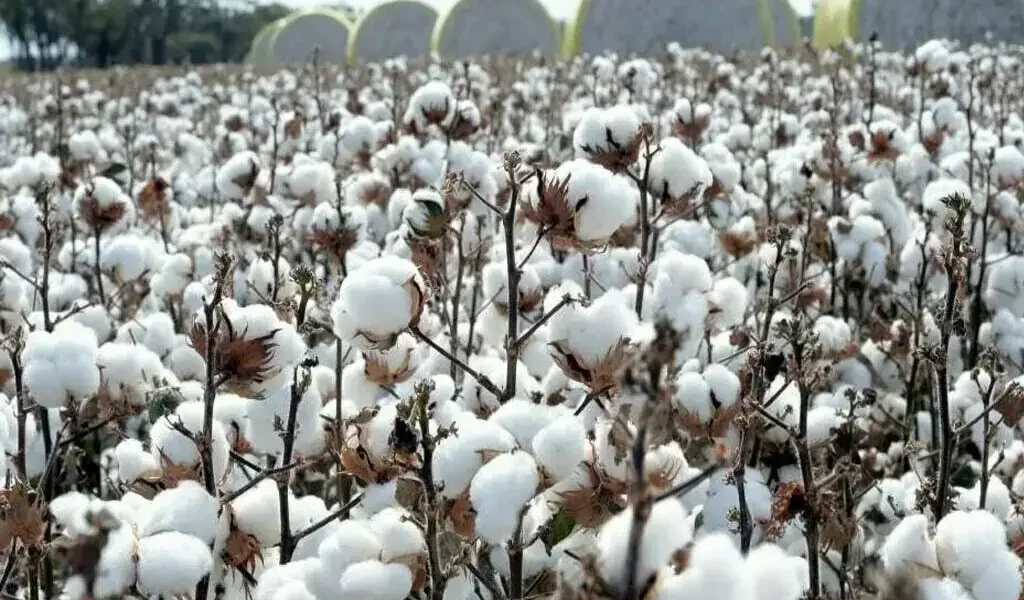
Pakistan’s cotton output has plummeted by more than half since its peak, according to a report released by the Overseas Investors Chamber of Commerce and Industry (OICCI). The report, titled ‘Seeds of Growth,’ highlights that cotton production has dropped from around 14 million bales at its peak to an estimated 6.85 million bales in 2025-26, a significant decline of 34% below the government’s target of 10 million bales.
The economic impact is substantial, with the report estimating that this loss costs Pakistan between $2 and $3 billion annually through additional imports and lost export earnings. The sector, which contributes about 23% to GDP and employs 37% of the workforce, has been severely impacted by regulatory delays and inconsistent policies.
OICCI Secretary General M. Abdul Aleem stated that while the direction of policy is often correct, its execution pace is detrimental. He noted, 'The cabinet’s decision on biotech maize is progress, but until the policy is notified and rolled out, the yield gains, export potential, and investor confidence remain theoretical.'
Climate shocks, pest infestations, poor seed quality, and a blanket ban on certain pesticide ingredients without a science-based transition plan are cited as key factors contributing to the decline. The report also highlights that hybrid seeds have tripled per-acre yields over three decades but face delays due to the National Biotechnology Policy.
The situation is not limited to cotton alone; the report flags weaknesses in other agricultural sectors such as maize, potatoes, dairy, and tobacco. For instance, less than 5% of potato output comes from certified processing-grade seed, while Pakistan’s average yield remains well below regional standards. In dairy, only 10% of milk is processed, with about 20% lost due to inadequate cold chain infrastructure.
Regarding tobacco production, the report notes that costs have more than doubled over three years and highlights an undocumented segment of the industry operating outside the tax net in Khyber Pakhtunkhwa and Azad Jammu and Kashmir. The sector’s reliance on nitrogen-based urea also remains a concern, with potash offtake being insufficient.
OICCI attributes these issues to regulatory delays and inconsistent policies rather than a lack of technology or investment. It suggests that restoring cotton output to 8-9 million bales could ease pressure on foreign exchange reserves, given the sector’s reliance on domestic cotton for 60% of export earnings.
The report concludes by emphasizing the need for swift policy implementation and execution to unlock potential economic benefits in agriculture. Secretary General M. Abdul Aleem stated, 'Until the policy is notified and rolled out, the yield gains, the export potential, and the investor confidence it is meant to unlock remain on paper.'
The cabinet’s decision on biotech maize is progress, but until the policy is notified and rolled out, the yield gains, export potential, and investor confidence remain theoretical.
M. Abdul Aleem, OICCI Secretary General