Key Takeaways
- China’s Jingye Steel demands immediate compensation from the UK.
- The British government nationalised British Steel, causing significant losses.
- Jingye claims over £1.5 billion in potential future costs.
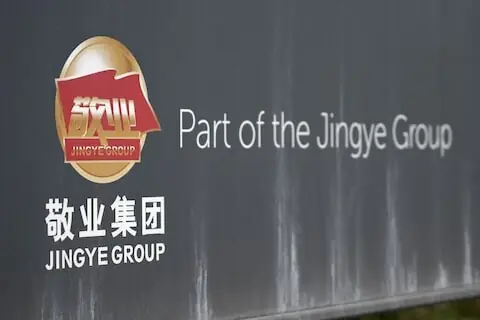
China's Jingye Steel has issued a stern warning to the United Kingdom, urging it to immediately cease what the company deems as 'trampling on international investment rules' and to promptly compensate for all losses incurred due to the nationalisation of British Steel. In a statement released on Sunday, Jingye expressed its dissatisfaction with the UK's handling of the situation, stating that the British side has 'disregarded dedicated ongoing investments and significant contributions', offering 'almost zero compensation'.
The company further highlighted the financial burden placed on the UK government by the continued operation of British Steel. According to Jingye, as of January 2023, the UK had spent £377 million ($507.18 million) to operate the steel firm. The company expects these costs to exceed £600 million by June and potentially reach over £1.5 billion by 2028.
In response to Jingye's demands, a spokesperson for the British government has not yet issued any official statement. However, the UK Ministry of Defence has previously stated that the nationalisation was necessary to secure jobs and maintain industrial capability in the region. The ministry also noted that the decision was made with the intention of protecting the steel industry from potential collapse.
Jingye Steel's statement reflects a broader concern among Chinese investors regarding the treatment of their investments abroad. The company has stated its intention to closely monitor developments and take appropriate measures to safeguard its legitimate rights and interests if necessary. This move comes at a time when China is increasingly asserting its economic influence globally, particularly in industries such as steel production.
The nationalisation of British Steel was part of a broader strategy by the UK government aimed at revitalising the country's struggling industrial sector. However, it has faced criticism from various quarters for potentially undermining foreign investment and creating an uneven playing field for international companies operating within the UK.
In a related development, Jingye Steel is not the only Chinese firm expressing concerns over its investments in the UK. Other Chinese businesses have also raised similar issues, highlighting potential risks associated with investing in countries where nationalisation policies may be unpredictable or poorly executed.
The dispute between Jingye and the UK government underscores the complex nature of international business relations, particularly when it comes to investment and industrial policy. As both sides continue to navigate this issue, observers are watching closely for any developments that could impact future foreign investments in the UK.