Key Takeaways
- Colombia and Peru recently elected right-wing, Trump-aligned leaders.
- Analysts link the trend to weakening centrist parties and growing concern over crime.
- Brazil's upcoming election will test if this shift continues.
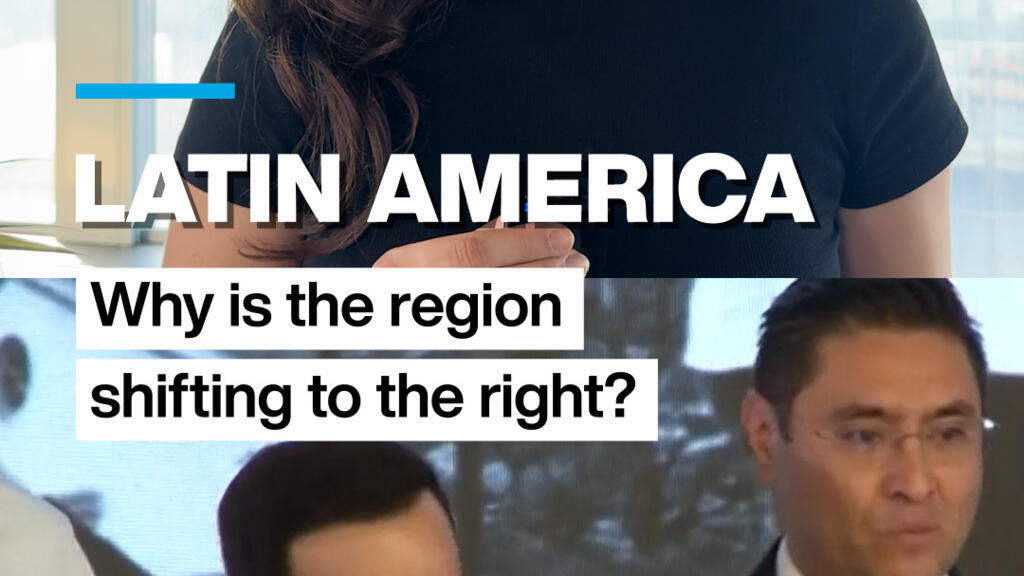
In a significant political development, Colombia and Peru have seen the rise of right-wing leaders in recent elections. These outcomes are being closely watched by regional analysts who attribute the trend to the weakening of centrist parties and increasing public concern over crime.
The election of right-wing candidates in both countries has been described as part of a broader shift towards more conservative governance in Latin America. This follows similar trends observed in other nations, where traditional center-left leaders have faced challenges from their right-wing counterparts.
Analysts point to the weakening of centrist parties as a key factor driving this political realignment. In Colombia and Peru, voters appear to be gravitating towards candidates who promise stronger measures against crime and corruption, reflecting broader societal concerns about security and stability.
The influence of former US President Donald Trump is also noted in these developments. His hosting of regional allies at events such as the Miami Summit has amplified this trend by providing a platform for right-wing leaders to gain visibility and support. However, his decision to impose tariffs on Brazil had an opposite effect, boosting the standing of leftist President Luiz Inácio Lula da Silva.
In Peru, Keiko Fujimori's victory in the first round of the presidential election is seen as a significant shift towards the right. Her campaign focused heavily on law and order issues, promising to tackle crime through stricter measures. Similarly, in Colombia, right-wing candidate Rodolfo Hernández won the second-round vote, emphasizing his commitment to fighting crime and corruption.
While these elections have been described as close contests, they represent a clear departure from previous electoral outcomes where center-left candidates often dominated. The results suggest that voters are increasingly willing to support more conservative policies, driven by their perception of rising criminal activity in the region.
The upcoming October election in Brazil is expected to be a crucial test for this rightward trend. President Lula's victory in the first round of the presidential race has raised questions about whether his leftist platform will hold sway against the growing influence of right-wing candidates. Analysts are closely monitoring voter sentiment and political dynamics leading up to the Brazilian polls.
As Latin America continues to navigate these political changes, regional stability and economic policies may be significantly impacted. The shift towards more conservative governance could lead to different approaches in areas such as trade, social welfare, and security measures.