Key Takeaways
- Deputy Prime Minister Ishaq Dar signed the agreement to establish WAICO as a founding member.
- Pakistan joins 28 other countries in promoting equal access to AI technology.
- Federal IT Minister Shaza Fatima Khawaja will attend key technical talks at the World AI Conference 2026.
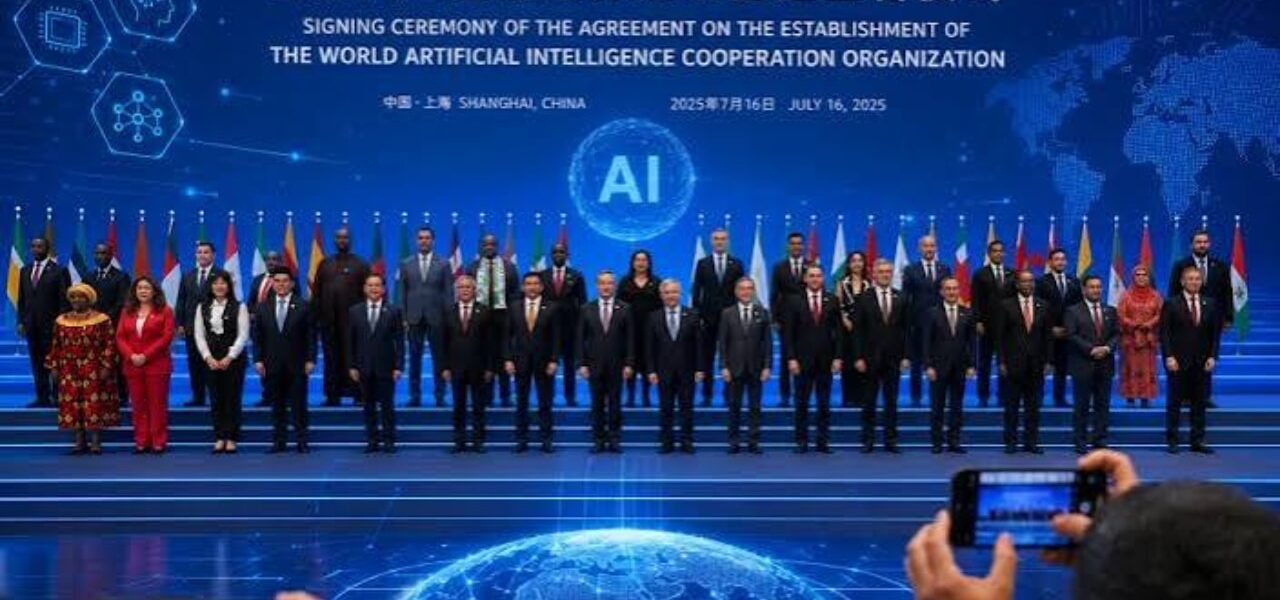
Pakistan has become a founding member of the World Artificial Intelligence Cooperation Organisation (WAICO), joining an international initiative aimed at promoting global cooperation in artificial intelligence. The agreement was signed during Deputy Prime Minister and Foreign Minister Ishaq Dar’s two-day official visit to China, where he also attended the signing ceremony on Thursday.
In his statement, Dar highlighted Pakistan's commitment to strengthening international collaboration in AI, particularly from a Global South perspective. He emphasized that Pakistan will work with member states to ensure equal access to AI technology and help reduce the global digital divide.
Federal IT Minister Shaza Fatima Khawaja accompanied Dar on this visit and is set to participate in key technical talks at the upcoming World AI Conference 2026 in Shanghai. She will also meet with ministers and senior technology officials from various countries, contributing to Pakistan’s growing role in global technology policy.
The signing ceremony was attended by representatives from the United Nations, including UN Secretary-General Antonio Guterres, as well as delegates from multiple nations and international organisations. This event underscores Pakistan's active participation in shaping global AI policies and initiatives.
Pakistan’s involvement in WAICO marks a significant step forward in its efforts to enhance its presence in the realm of artificial intelligence. The country aims to leverage this membership to foster innovation and collaboration, ensuring that the benefits of AI are accessible to all segments of society.
By joining forces with other nations, Pakistan hopes to contribute to the development of more inclusive and equitable global AI frameworks. This move aligns with the broader goals of promoting digital literacy and reducing technological disparities in the region.