Key Takeaways
- The Federal Constitutional Court has issued new guidelines for civil and revenue courts handling cases involving minors.
- These guidelines require judges to strictly follow specific legal procedures when dealing with minors’ property and inheritance rights.
- The court overturned a Lahore High Court judgment, emphasizing the importance of proper legal protections for minors.
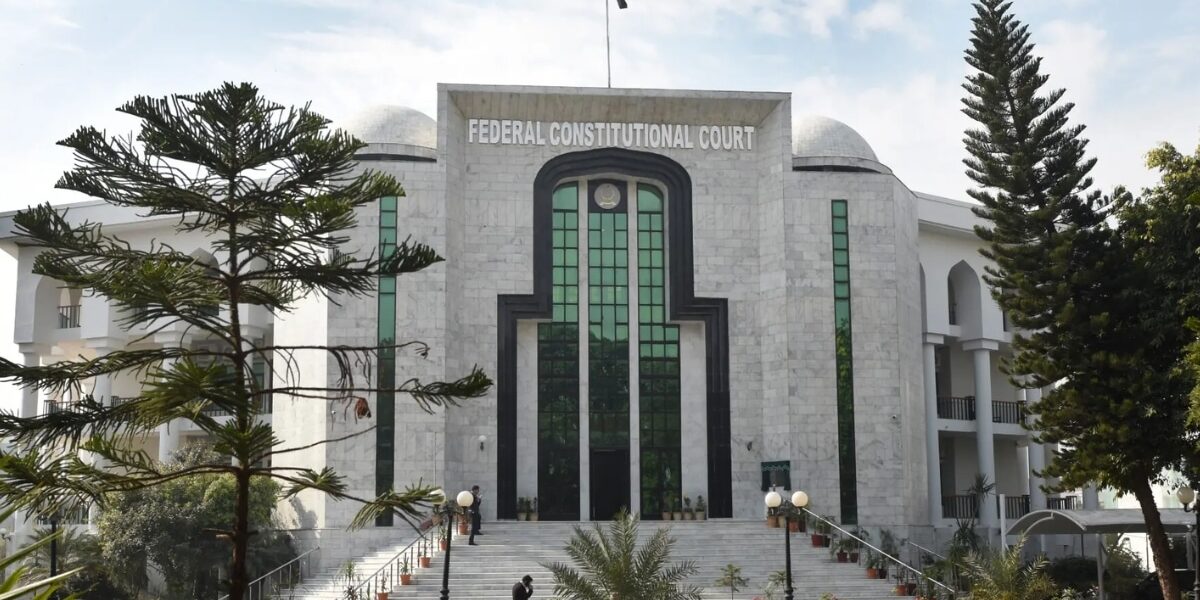
The Federal Constitutional Court (FCC) has issued key guidelines aimed at protecting the property and inheritance rights of minors in Pakistan. These guidelines, detailed in a 20-page judgment by Chief Justice Aminuddin Khan, outline stringent procedures that civil and revenue courts must follow.
According to the judgment, judges are required to first determine whether any party involved in a case is a minor before proceeding with substantive steps. This ensures that minors' rights are not overlooked or compromised during legal proceedings.
The court emphasized the importance of appointing guardians for minors only after confirming there is no conflict of interest. Additionally, any compromise affecting a minor's property or inheritance rights must be lawful and in the best interests of the minor, as per Order XXXII of the Code of Civil Procedure, 1908.
In a significant ruling, the FCC overturned a December 2024 judgment by the Lahore High Court’s Bahawalpur Bench. The case involved a property dispute in Bahawalnagar and questioned whether legal protections for minors were properly observed when a compromise decree was recorded. Widow Bushra Bibi had challenged this decree under Section 12(2) of the Code of Civil Procedure, arguing that some parties to the compromise were minors whose interests were not protected.
The FCC's decision highlights its commitment to ensuring that all legal proceedings involving minors are conducted with utmost care and consideration. The court ruled that no compromise affecting a minor’s rights or property can be accepted unless it is recorded as lawful, in the minor’s best interests, and compliant with Order XXXII, Rule 7.
Furthermore, the judgment stressed that where a compromise affects a minor's property or inheritance rights, judges must ensure compliance with the Guardians and Wards Act, 1890. The court also warned against hasty decisions, emphasizing the need for independent assessment of the best interests of minors in every order.
Chief Justice Khan observed that judicial decrees cannot breathe legal life into agreements which the law itself regards as vitiated. This means that any compromise decree must be legally sound and in line with established legal frameworks to protect minors' rights.