Key Takeaways
- US President Donald Trump delivered a half-hour speech on election fraud.
- The speech contained unproven claims and misinformation.
- Trump threatened to remove broadcasting licences of networks that did not air his speech.
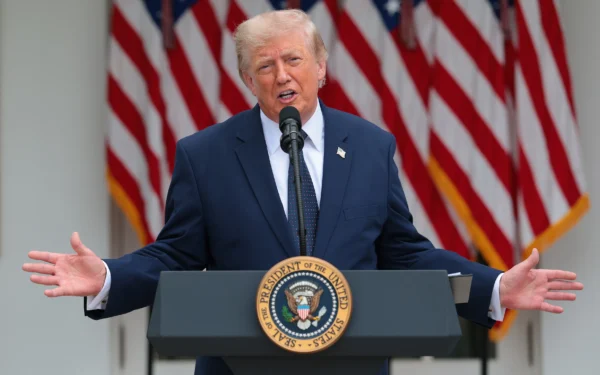
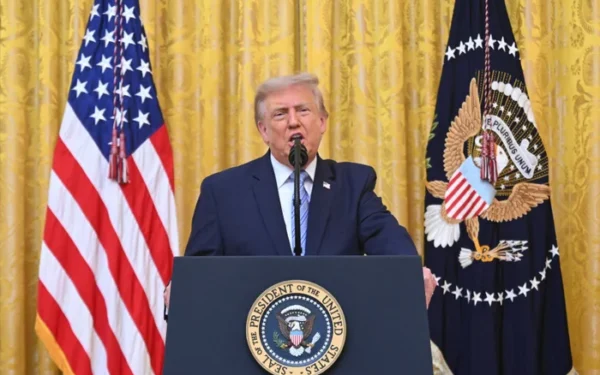
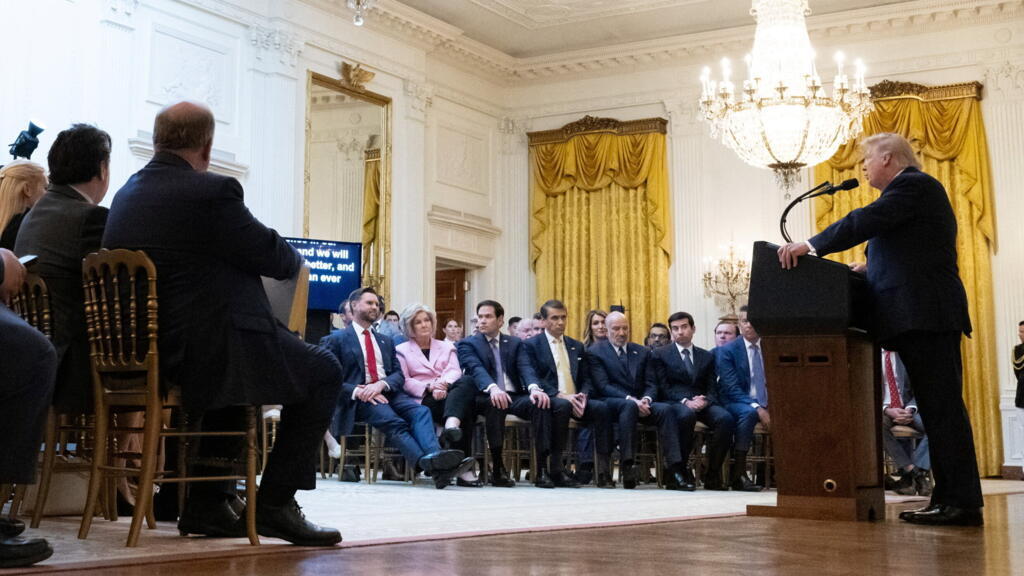
US President Donald Trump recently addressed the nation in a half-hour speech, focusing heavily on allegations of election fraud. The address came three months before the upcoming US midterms and was marked by unproven claims and repeated misinformation.
In his speech, Trump made several unfounded assertions regarding the security and integrity of elections in the United States. He alleged widespread voter fraud without presenting concrete evidence to support these claims. Additionally, he referenced past election results from 2020, suggesting irregularities that have not been substantiated by official investigations.
Trump's rhetoric extended beyond just making claims; it also included a direct challenge to US broadcasters. He criticized networks that did not air his speech live, threatening to revoke their broadcasting licences if they continued to do so. This move has sparked debate among media outlets and raised concerns about press freedom in the country.
The controversy surrounding Trump's speech has divided the American media landscape. While some networks chose to broadcast the address, others opted against it due to its controversial nature and lack of factual basis. The decision to air or not to air such content is a significant issue for US media organizations as they navigate the complex political environment leading up to the midterms.
Fraser Jackson from FRANCE 24 reported that Trump's speech was heavy with unproven claims, making it difficult for independent fact-checkers and journalists to verify his assertions. The president's repeated references to fraud without evidence have raised questions about the reliability of his statements and their potential impact on public opinion.
The threat of revoking broadcasting licences has also drawn attention from legal experts who argue that such actions could be seen as an attempt to suppress free speech. Media watchdogs are closely monitoring the situation, warning against any moves that might curtail journalistic freedom in the run-up to the midterms.
While Trump's supporters have rallied behind his claims of election fraud, critics argue that his rhetoric is divisive and lacks credibility. The speech has further polarized American society and intensified debates about the integrity of the electoral process. As the political climate continues to heat up, media outlets are under pressure to balance their coverage with a commitment to truth and accuracy.
In conclusion, Trump's controversial speech highlights ongoing tensions in US politics, particularly regarding election integrity and press freedom. The debate over whether his claims are valid or not will likely continue as the midterms approach.