Key Takeaways
- A new monkey species, Colobus congoensis, has been identified in the Democratic Republic of the Congo.
- The likweli monkey is known for its distinctive mask-like face and is one of only five new African monkey species discovered in the past 75 years.
- Scientists believe the monkey’s facial features may represent ancestral traits from before the divergence between African and Asian colobine lineages.
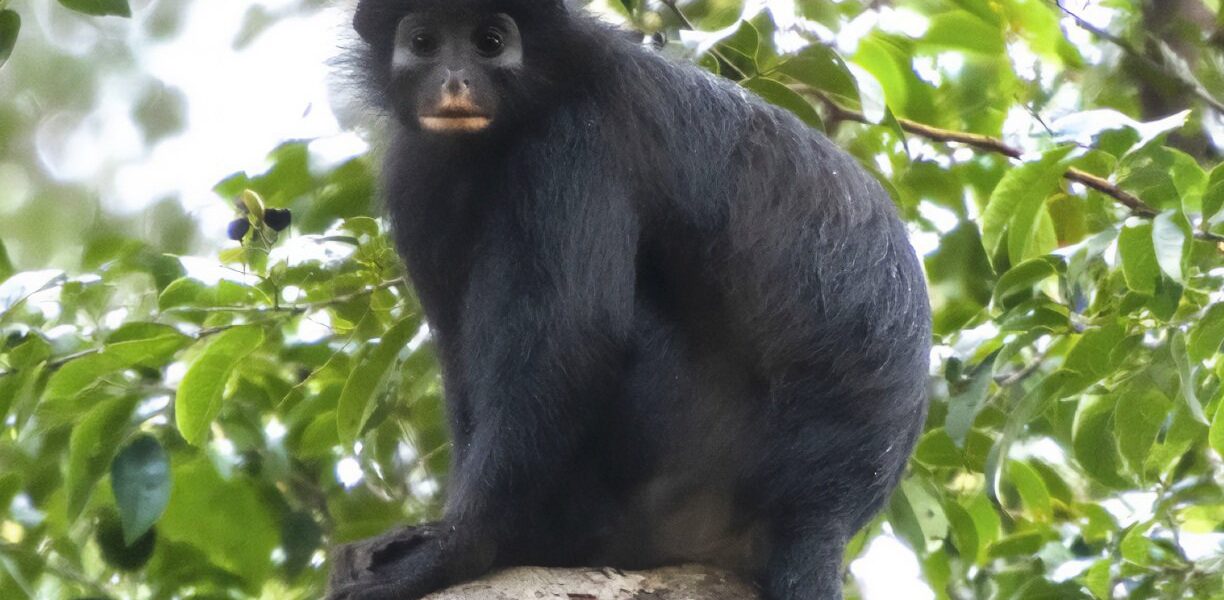
In a significant discovery for primatology, scientists have identified a new monkey species, Colobus congoensis, in the Democratic Republic of the Congo. Known locally as likweli, this primate is distinguished by its mask-like face and has been recognized as one of only five new African monkey species discovered since 1945.
The discovery was made after an expedition involving multiple modes of transportation: a flight, followed by a motorcycle ride, two days of hiking on foot, and finally travel by dugout canoe to reach the remote habitat where the likweli monkeys live. This journey underscores the challenges faced in studying such elusive species.

According to Kate Detwiler from Florida Atlantic University, who led the research team, one of the most intriguing features of the likweli monkey is its facial appearance. The light-coloured skin around the mouth and beneath the nose is unique among African colobus species but resembles patterns seen in some Asian colobine monkeys.
Detwiler suggests that these facial characteristics may represent ancestral traits retained from before the divergence between African and Asian colobine lineages, approximately 8 million years ago. This hypothesis implies that likweli could provide valuable insights into the evolutionary history of primates.
The discovery highlights the ongoing importance of field research in understanding biodiversity, especially in regions with limited infrastructure and remote habitats. The likweli monkey’s habitat is one of the most inaccessible parts of Africa, without paved roads or significant development, making such discoveries particularly challenging yet rewarding.
While this new species adds to our knowledge of primate diversity, it also raises questions about conservation efforts. Given that the likweli monkey is hunted for bushmeat by local communities, there are concerns about its future survival in the wild. Conservationists and researchers will need to work closely with local populations to ensure the protection of this unique species.
The identification of new species like Colobus congoensis underscores the importance of continued exploration and research into biodiversity. As scientists uncover more about these elusive creatures, they contribute not only to our understanding of evolution but also to conservation strategies that can help preserve these rare and fascinating animals.