Key Takeaways
- Toronto's air quality ranked worst globally due to Canadian wildfires.
- Smoke spread into northeastern US, prompting health warnings and reduced outdoor activities.
- Fires trapped two YMCA camping groups in Minnesota; one group evacuated by helicopter.
Toronto faced severe air pollution on Wednesday as smoke from wildfires in northwestern Ontario blanketed the city. Environment Canada reported an Air Quality Health Index reading of 10+, classified as 'very high risk,' for Toronto, according to a statement.
The smoke spread across a wide area, affecting not only Toronto but also neighboring regions and cities in the northeastern United States. New York City began experiencing poor air quality days before hosting the World Cup final on Sunday, with local authorities issuing alerts and urging residents to limit strenuous outdoor activities.
The National Weather Service forecasted that smoke could linger into the weekend, with Dan Westervelt, a Lamont associate research professor at Columbia University, warning that 'we probably haven’t seen the worst of it yet for New York City. We probably haven’t seen the worst of it yet for the Great Lakes and upstate and New England either.'
IQAir, a Swiss air quality technology company, ranked Toronto as having the worst air quality globally, surpassing cities like Kinshasa and Delhi. New York City was listed at No. 5 in the ranking.
Wildfires in southern Spain claimed 12 lives, according to an emergency agency report, highlighting the severity of such incidents. A viral video on social media showed a Canadian National train surrounded by fire near Armstrong, Ontario, leading to evacuations and suspension of rail operations north of Toronto.
The City of Toronto canceled the FIFA Fan Festival and the England-Argentina World Cup watch party at Nathan Phillips Square due to poor air quality. In New York, more than 80,000 people were expected to attend the World Cup final at an open-air stadium in New Jersey on Sunday, while another 50,000 planned to watch from Central Park.
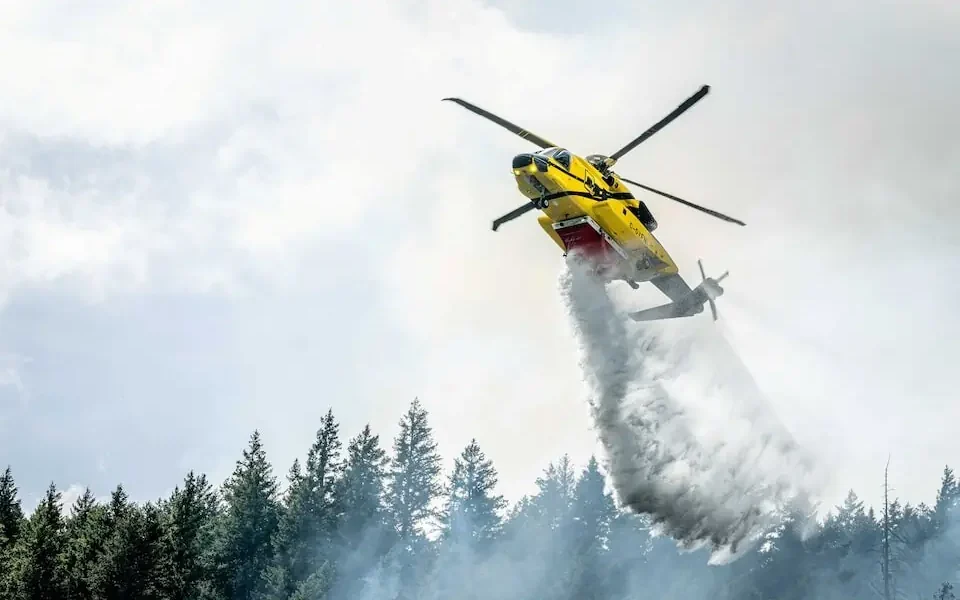
Minnesota Governor Tim Walz reported that two YMCA camping groups from Minnesota were trapped by wildfires. One group was evacuated by helicopter with coordination from the Canadian military, and both groups are now safely returning home.
We probably haven’t seen the worst of it yet for New York City. We probably haven’t seen the worst of it yet for the Great Lakes and upstate and New England either.
Dan Westervelt, Lamont associate research professor at Columbia University