Key Takeaways
- Islamabad High Court issued notices to the Ministry of Communications regarding a petition against increased motorway tolls.
- The petition argues that the decision is arbitrary and lacks lawful justification.
- Respondents are directed to submit their replies by the court.
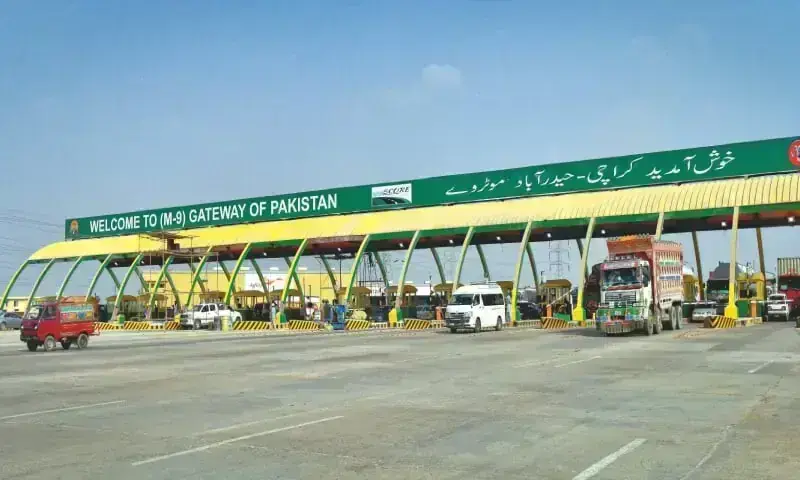
The Islamabad High Court has issued formal notices to the Ministry of Communications and other respondents following a legal challenge against an increase in motorway tolls. The petition, filed on June 3, 2025, by the Judicial Activism Panel, contests the decision to impose a 50 per cent higher toll for vehicles with insufficient M-Tag balance.
During the hearing on Wednesday, July 16, 2026, Chief Justice Sardar Muhammad Sarfaraz Dogar issued these notices. Counsel for the petitioners, Mahfouz Bukhari, argued that the decision was arbitrary and excessive, lacking a rational basis. He contended that even policy decisions must be subject to judicial review if they are unreasonable or discriminatory.
In response, Chief Justice Dogar observed that while the court could not interfere in all government policies, it had jurisdiction to review such measures if they were unlawful. The chief justice questioned how the court should proceed given the nature of the decision as a policy measure by the government.
The petitioner’s counsel maintained that the enhanced toll on low-balance M-Tag users was disproportionate and violated legal principles. He emphasized that even policy decisions could be challenged in court if they were unreasonable or discriminatory, highlighting the need for judicial oversight to ensure fairness and legality.
After hearing preliminary arguments, the court directed all respondents to submit their replies by a specified date. This move signals an ongoing legal process aimed at ensuring transparency and accountability in government-imposed tolls on motorways.
The case underscores the role of judicial activism in Pakistan’s legal system, where courts play a crucial role in reviewing and challenging executive decisions that may impact public welfare. The outcome could have significant implications for future policy-making and enforcement mechanisms related to road tolls.