Key Takeaways
- The dollar weakened against major currencies.
- U.S. consumer inflation slowed to 3.5% year-over-year in June.
- Fed funds futures prices suggest a July rate hike is now less likely.
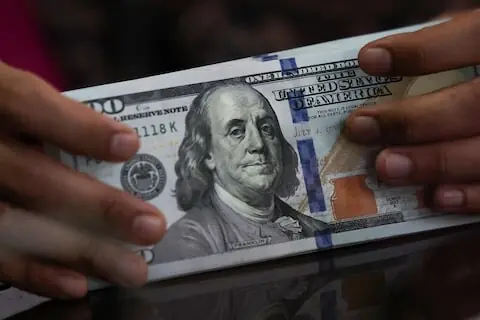
The U.S. dollar experienced a significant decline on Wednesday, extending its weakness from the previous session where it fell by 0.35%, marking its biggest pullback in nearly two weeks. This depreciation came despite concerns about elevated oil prices potentially fueling inflation risks.
According to data released by the Bureau of Labor Statistics, U.S. consumer inflation slowed more than expected to 3.5% on a year-over-year basis in June. The headline consumer price index fell 0.4% over the month, marking its first decline since April 2020 as energy prices retreated.
The softer-than-expected inflation data dampened market expectations for a near-term rate hike from the Federal Reserve. Traders now expect that the Fed will skip a July rate hike, with chances of a July hike halved to 16% based on Fed funds futures prices traded at the CME Group.
However, optimism was somewhat overshadowed by comments from Federal Reserve Chair Kevin Warsh during his testimony before the House Financial Services Committee. He stated that the central bank has 'no tolerance' for persistently elevated inflation and vowed to 'do my job' if challenged by U.S. President Donald Trump.
In the Gulf region, the latest escalation in hostilities between Iran and other nations pushed oil prices back to one-month highs. This development kept inflation risks alive, despite the recent softness in consumer price data.
Sim Moh Siong, FX strategist at OCBC, noted that while markets continue to expect modest appreciation of the U.S. dollar by year-end, near-term upside momentum may remain constrained in the absence of fresh catalysts. He added that the central bank's July decision would hinge on the June inflation reading.
CBA economists Samara Hammoud expressed cautious optimism, stating that one month of softer-than-expected CPI data will not close the door to interest rate hikes. The markets are closely watching producer prices data due later today for further indications.
The sizeable downside surprise gives the Fed greater scope to remain on hold for longer.
Sim Moh Siong, FX strategist at OCBC
While we continue to expect modest USD appreciation by year-end, near-term upside momentum may remain constrained in the absence of fresh catalysts.
Sim Moh Siong, FX strategist at OCBC