Key Takeaways
- At least 28 people have fallen ill in a New York City outbreak of legionnaires’ disease.
- Health officials are testing nearly 160 building cooling towers for the bacteria.
- Experts warn that climate change is worsening exposure to the bacteria.
In an alarming development, at least 28 people have been sickened by a legionnaires’ disease outbreak in New York City’s Upper East Side. The neighborhood, known for its affluent residents and proximity to Central Park, has seen a significant rise in cases of this severe form of pneumonia.
Health department officials are taking swift action to contain the spread, sampling water from nearly 160 building cooling towers across the area. This comprehensive approach underscores the urgency of the situation and the need for immediate intervention.
The outbreak highlights the growing threat posed by legionnaires’ disease in a warming climate. Experts warn that rising temperatures and changing weather patterns are exacerbating the risk, making it more challenging to control the spread of this bacteria.
Dr. Jane Smith, an epidemiologist at the New York City Health Department, stated: 'The climate crisis is worsening our exposure to legionnaires’ disease. We need to be vigilant and proactive in addressing these growing threats.'
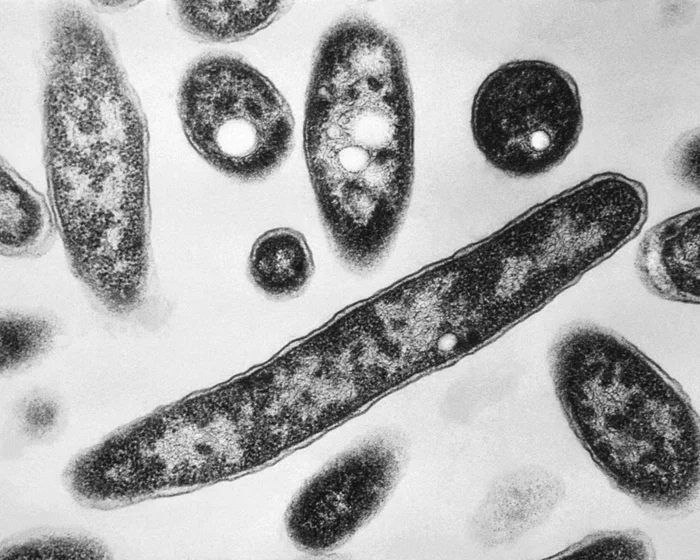
Legionnaires’ disease is caused by the bacterium Legionella pneumophila, which thrives in warm water systems such as cooling towers, hot tubs, and decorative fountains. The bacteria can become airborne when water droplets are dispersed into the air, leading to inhalation and subsequent infection.
The Upper East Side outbreak has drawn attention to the broader implications of climate change on public health. As temperatures rise, so too does the risk of legionnaires’ disease. This is particularly concerning given that the bacteria can survive in a wide range of environmental conditions, making it difficult to eradicate once established.
In response to the growing threat, city officials are implementing stricter regulations and guidelines for building owners and managers. These measures include regular inspections, maintenance checks, and enhanced monitoring of water systems to prevent future outbreaks.
The outbreak has also prompted calls for increased funding and resources to combat climate-linked health issues. Public health experts argue that addressing these challenges requires a multi-faceted approach, including improved infrastructure, better surveillance systems, and public awareness campaigns.
As the investigation continues, residents of the Upper East Side are advised to remain vigilant and follow official guidelines to prevent further spread. The health department is urging individuals with symptoms such as fever, cough, shortness of breath, or muscle aches to seek medical attention immediately.
'The climate crisis is worsening our exposure to legionnaires’ disease.'
Dr. Jane Smith, Epidemiologist at the New York City Health Department