Key Takeaways
- Germany recorded an estimated 5,120 heat-related deaths in 2023.
- Most fatalities occurred during late June when temperatures exceeded 20°C.
- Excess deaths were reported across Europe, with France and Belgium among the hardest hit.
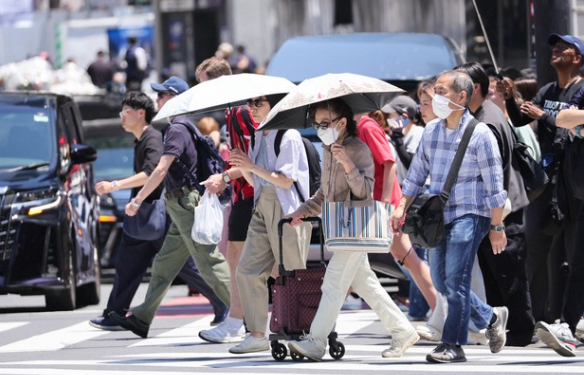
Germany has seen an alarming rise in heat-related deaths this year, with over 5,100 individuals succumbing to the extreme weather conditions. According to a report from the Robert Koch Institute (RKI), a significant portion of these fatalities occurred during late June when temperatures soared above 20°C on average.
The majority of the victims were elderly, with around 4,270 deaths among those aged 75 and older. Women made up a larger share of the deceased due to their higher representation in this age group. The RKI's findings underscore the vulnerability of the elderly population during heatwaves.
In addition to Germany, other European countries have also reported significant excess deaths linked to the June heatwave. France recorded over 4,700 additional deaths between June 20 and 28, while Belgium, Spain, and the Netherlands also saw a rise in fatalities attributed to the hot weather conditions.
The EU's Copernicus Climate Change Service confirmed that Western Europe experienced its hottest June on record with an average temperature of 20.74°C. This data highlights the severity of the heatwave across multiple countries, emphasizing the need for better preparedness and public health measures during extreme weather events.
Health experts warn that such incidents could become more frequent as climate change continues to impact global temperatures. The RKI advises vulnerable groups, particularly the elderly, to take necessary precautions by staying indoors during peak heat hours and ensuring adequate hydration.
The European Union is currently assessing long-term strategies to mitigate the effects of extreme weather events on public health. Efforts include improving early warning systems, enhancing emergency response capabilities, and increasing awareness among citizens about the risks associated with high temperatures.