Key Takeaways
- Most Gulf bourses closed lower on Wednesday.
- U.S. strikes on Iran and revocation of oil waiver caused market concerns.
- Brent crude futures rose sharply, reflecting increased oil supply fears.
Gulf stock markets experienced a downturn on Wednesday following renewed tensions in the Middle East. The U.S. President's statement that the memorandum of understanding to end the conflict with Iran was 'over' triggered fresh concerns about disruptions to oil supplies, leading to declines across most regional bourses.
The agreement brokered by Pakistan last month aimed at providing a 60-day window for negotiations faced strain after the U.S. launched strikes on Iranian air defence systems and coastal surveillance facilities. In response, Iran’s Revolutionary Guards claimed they had targeted U.S. military positions in Bahrain and Kuwait, where air raid sirens sounded.
The U.S.'s move to revoke a waiver that allowed Iran to sell oil on the global market further exacerbated fears of supply disruptions. This action by Washington was met with criticism from Tehran, which stated it violated the framework agreement aimed at ending the conflict.
Brent crude futures saw a significant rise, increasing by $3.14 or 4.23% to reach $77.30 per barrel by 12:31 GMT. This price hike reflected traders' heightened concerns over potential disruptions in oil supplies from the region.
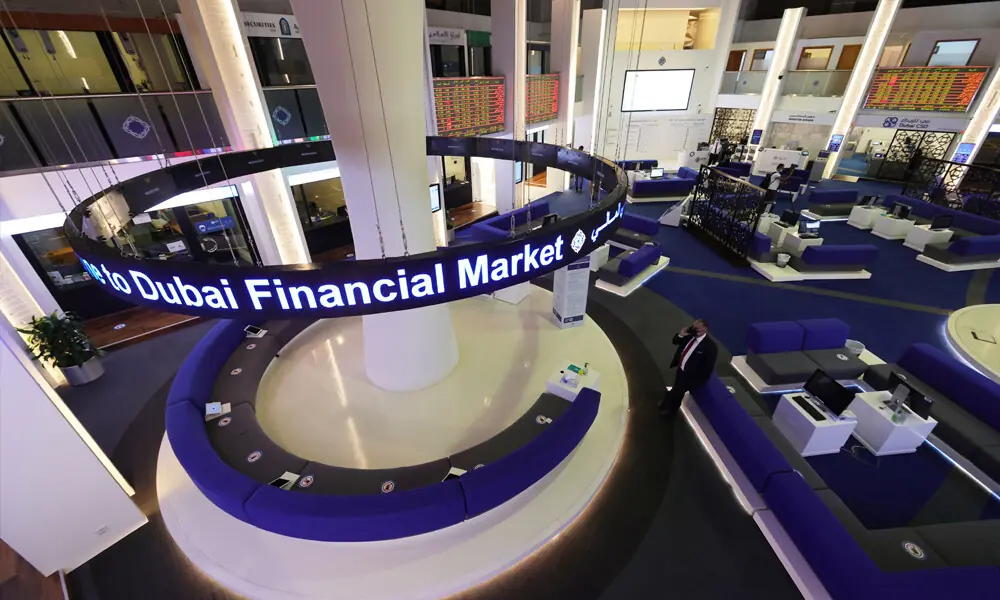
Among the Gulf markets, Dubai's main share index declined by 1.5%, primarily due to a 2.7% drop in Salik, the toll operator, and a 1% decrease in Emaar Properties, a blue-chip developer. Abu Dhabi’s index fell by 0.6%, with Alpha Dhabi Holding losing 3.5%. The Qatari index was down 0.8%, despite Qatar National Bank reporting an increase in quarterly profits.
Saudi Arabia's benchmark index remained unchanged at 10,854 points, with Saudi Aramco advancing 2.6%. Outside the Gulf region, Egypt’s blue-chip index retreated by 1.8% as markets reacted to the ongoing tensions.
Other key market movements included a 0.6% drop in Bahrain's index to 2,014 points and an increase of 0.9% in Oman's index to 7,638 points. Kuwait's index fell by 0.8% to 9,091 points.
These market movements underscore the significant impact that geopolitical events can have on financial markets, particularly those closely tied to oil and gas production.