Key Takeaways
- The number of farms in Pakistan has increased by 34.4% from 2010 to 2024.
- Average farm size has decreased by 17.2% to 5.3 acres over the same period.
- Fragmented farms, now 76% more common, hinder agricultural efficiency and profitability.
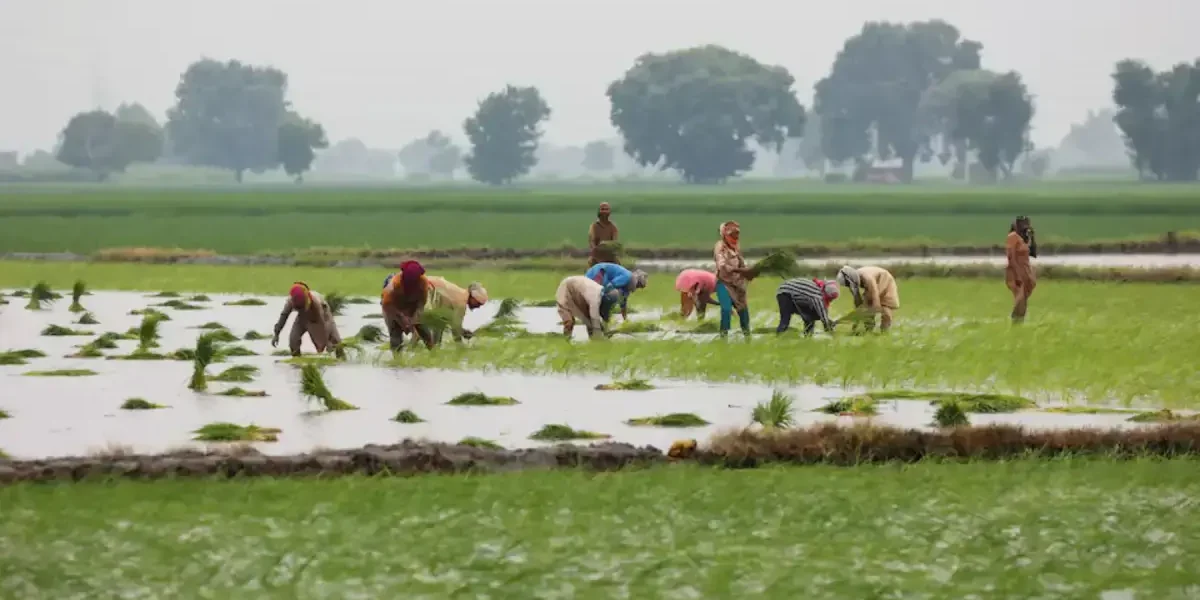
Pakistan faces a growing agricultural crisis, with the number of farms increasing by 34.4% from 2010 to 2024, according to the seventh Agricultural Census released in July. This expansion has come at the cost of reduced farm sizes, with the average farm decreasing from 6.4 acres to 5.3 acres, a decline of 17.2%. The issue of fragmented farms, which rose from 2.83 million in 2010 to 4.98 million in 2024, has become increasingly significant, with a 76% increase in the number of such holdings.
The distribution of landholdings further illustrates the problem. In 2024, 59% of farms were smaller than 2.5 acres, up from 43.5% in 2010. The proportion of farms below five acres increased from 64.7% to 78%, while more than 95% of farms are under 12.5 acres, up from 89.5% in 2010. This skewed structure has profound implications for individual farmers, sectoral performance, and policy makers.
For farmers, smaller and increasingly dispersed holdings make mechanisation nearly impossible, raising cultivation and supervision costs, limiting access to credit and modern technologies, and reducing the capacity to generate marketable surpluses and cash for themselves. Many smallholders are now turning to farming as a means of meeting household subsistence needs rather than a commercial enterprise.
Muhammad Nadeem, a three-acre farmer from Okara, describes the transition: 'When a plot falls below a certain size, subsistence farming and traditional rural practices – growing one’s own staple and fodder for livestock – take precedence.' Nadeem owns three buffaloes and divides his land between fodder, wheat, and vegetables to meet his family’s basic needs. As the land is ancestral, he shares a return with his brother and sister. Farming is now a part-time activity: Nadeem and his brother work as labourers in Okara city, while his sister teaches at a local private school.
The land generates virtually no income because the yields are barely enough to meet their needs, and it is also due to expensive fertilisers. This trend is not only affecting individual farmers but also the broader agricultural sector. Smaller farms risk slowing productivity, weakening commercial agriculture, and increasing rural poverty as families turn to off-farm employment to supplement their incomes.
Policy makers face significant challenges in addressing this crisis. Improving agricultural performance requires more than addressing water scarcity and input costs. Initiatives to help smallholders overcome the disadvantages of scale, such as shared machinery services, equipment suited to small plots, accessible agricultural credit, cooperative farming arrangements, zoning and cluster development, and incentivising voluntary land consolidation, are essential.
The situation highlights the urgent need for comprehensive policy interventions to support smallholder farmers and ensure the sustainability of Pakistan’s agricultural sector. Without intervention, the crisis of shrinking farm size could exacerbate rural poverty and undermine the economic resilience of millions of farmers across the country.
When a plot falls below a certain size, subsistence farming and traditional rural practices – growing one’s own staple and fodder for livestock – take precedence.
Muhammad Nadeem, Three-acre farmer from Okara