Key Takeaways
- UK inflation rose to 3.5% in September, surpassing expectations.
- The increase is attributed to higher fuel prices due to Middle East conflicts.
- Economists had forecast a rise to 3.4%, but the actual figure was higher.
UK inflation climbed to 3.5% in September, marking a significant rise from the previous month’s 3.1%.
The Office for National Statistics reported that the consumer prices index (CPI) saw an unexpected increase, surpassing the forecast of 3.4%.
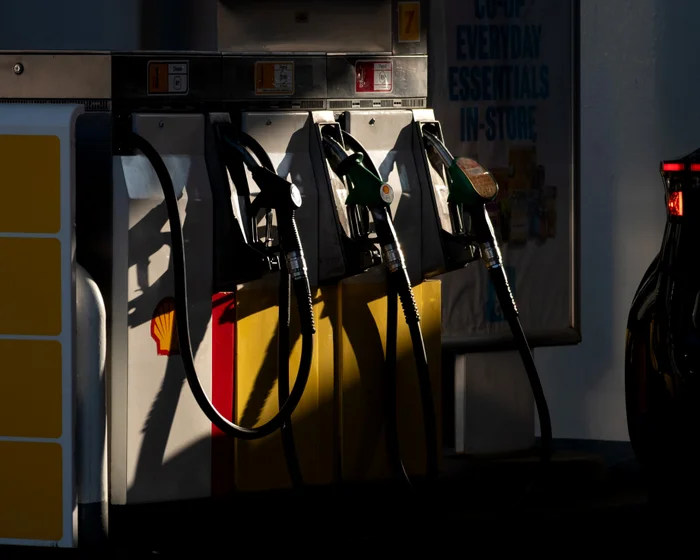
The surge in inflation is largely attributed to the conflict in the Middle East, which has driven up the cost of diesel to record levels.
This increase in fuel prices has had a direct impact on the overall cost of living, affecting various sectors of the economy.
John Healey, who is set to present his first budget as Chancellor in a week, faces the challenge of addressing these rising costs.
Economists warn that the inflation rate could breach 4% next year, adding to the economic pressures on households and businesses.
The rise in fuel prices has not only affected transportation but also industries reliant on fuel, such as manufacturing and logistics.
The unexpected increase in inflation may prompt the Bank of England to reconsider its monetary policy, potentially leading to interest rate adjustments.
With the UK economy already facing challenges, the higher inflation rate could exacerbate financial strain on consumers and businesses.