Key Takeaways
- HSBC CEO predicts the Strait of Hormuz could become redundant in five years.
- Investment in alternative logistics routes is expected to mitigate the impact of the Iran conflict.
- Gulf nations are developing energy pipelines to reduce reliance on the Strait.
HSBC Group Chief Executive Georges Elhedery has stated that the Strait of Hormuz could become redundant in the next five years due to increased investment in alternative logistics routes in the Gulf region.
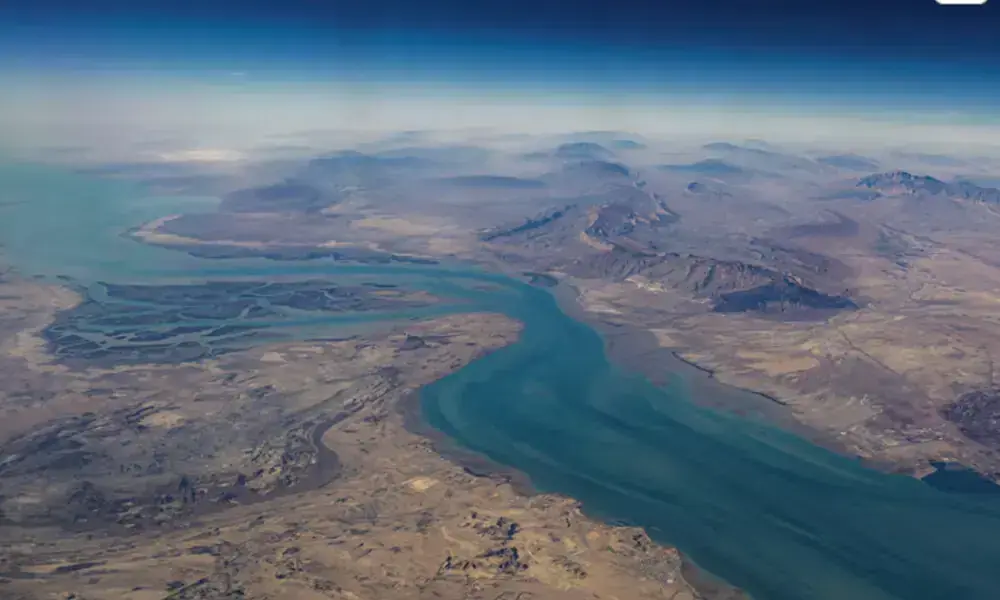
The conflict in the region has highlighted the world’s heavy reliance on the strategic waterway, through which a fifth of global oil and liquefied natural gas trade previously passed.
Elhedery spoke during the HSBC Future Forum event in Dubai, emphasizing that Gulf nations are channeling resources towards the development of energy pipelines to ports, which will allow the region to weather the fallout from the conflict.
He stated, 'We do see this region being able to recover and then continue growing. It will mean a lot of investment.'
HSBC conducted a survey of over 1,600 business leaders and around 820 global institutional investors, finding that they still consider the Gulf an attractive investment hub.
The survey results indicate that despite the ongoing conflict, the region remains a significant area for business and investment opportunities.
Elhedery added, 'Of course, we do wish and hope to see a resolution to the conflict … But Hormuz, probably in five years’ time, may become redundant.'
The prediction reflects the potential for alternative routes to reduce the Strait of Hormuz’s importance in global trade, as nations and businesses seek to diversify their supply chains.
We do see this region being able to recover and then continue growing. It will mean a lot of investment.
Georges Elhedery, HSBC Group Chief Executive
Of course, we do wish and hope to see a resolution to the conflict … But Hormuz, probably in five years’ time, may become redundant.
Georges Elhedery, HSBC Group Chief Executive